Octobre à Paris (1962): Besetzung, Handlung & Streaming
1962 · Film · ★ 9
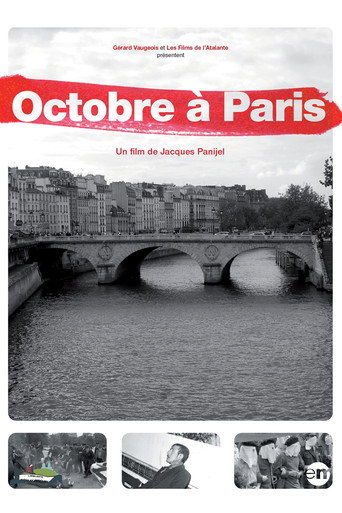
Released in 1962, Octobre à Paris is a dokumentarfilm, historie and drama film directed by Jacques Panijel, running about 70 minutes.
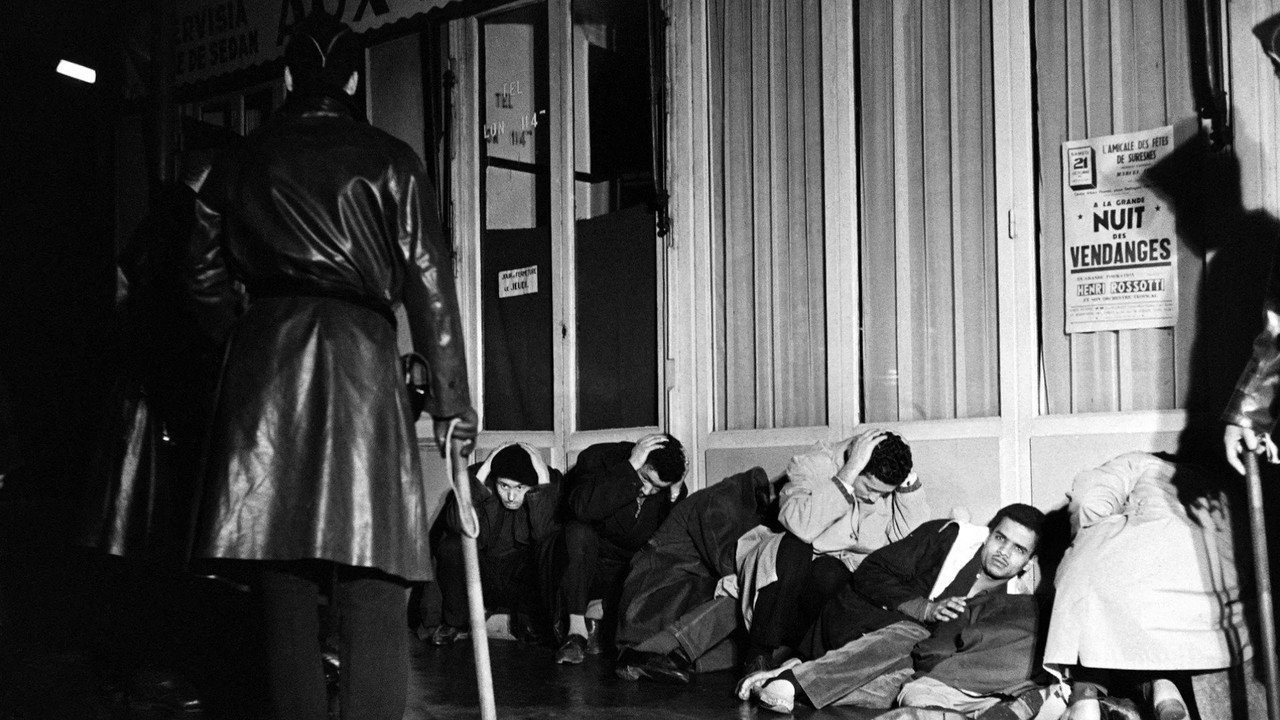
What it’s about. On October 17, 1961, 30,000 Algerians demonstrated peacefully in Paris to protest the discriminatory curfew imposed upon them and to demand Algerian independence. Under the authority of the then Prefect of Police, Maurice Papon, the demonstration was brutally repressed, resulting in the deaths of dozens of Algerians. Historians cite eleven thousand arrests, dozens of murders, demonstrators thrown into the Seine, hundreds of expulsions, and just as many complaints that went unanswered; all for a night that would become a blind spot in the national narrative. No investigation, no trial, and certainly no commemoration. The day after the demonstration, Jacques Panijel began filming *October in Paris* to alert the public to the massacre that had just taken place in the streets of Paris. The film was banned by the French authorities. It obtained a distribution license in 1973. It was first shown in theaters in October 2011.
How it landed. With an audience score of 9.0/10, Octobre à Paris sits among the best-reviewed titles in the catalogue.
Where to watch. Streaming options change often. See the full, country-by-country breakdown on our where to watch Octobre à Paris page.
If you liked it. Fans of Octobre à Paris tend to enjoy One Direction: This Is Us, 번 더 스테이지: 더 무비, BTS World Tour: Love Yourself - Japan Edition and Senna.
Häufige Fragen
- Where can I watch Octobre à Paris (1962)?
- Streaming, rental and purchase options for Octobre à Paris change frequently. Check our where-to-watch page for the latest availability in your country.
- Is Octobre à Paris worth watching?
- Octobre à Paris holds an audience score of 9.0 out of 10, and is a strong pick if you enjoy dokumentarfilm, historie and drama. Most viewers rate it highly.
- When was Octobre à Paris released?
- Octobre à Paris was released in 1962, with a runtime of about 70 minutes.