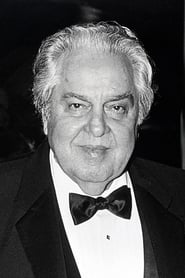
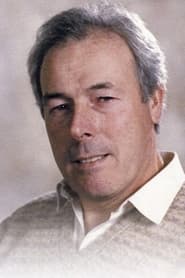
Maurice Binder
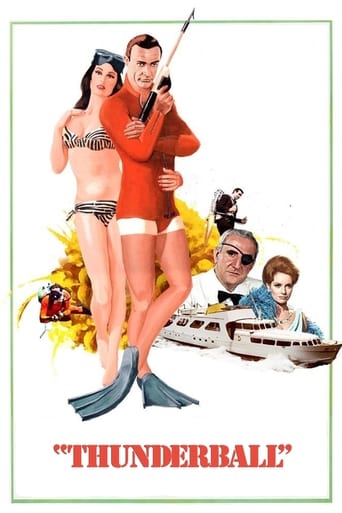
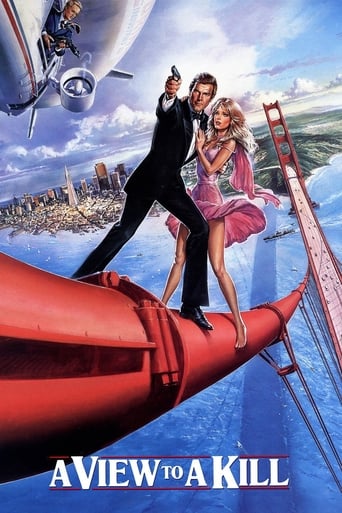
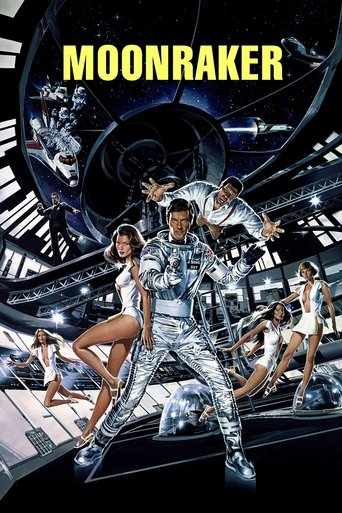
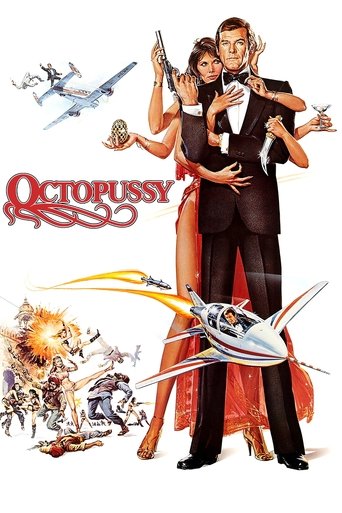
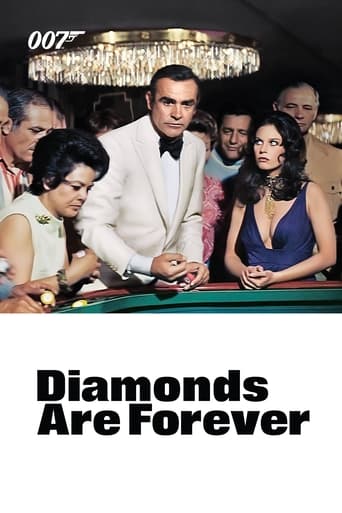
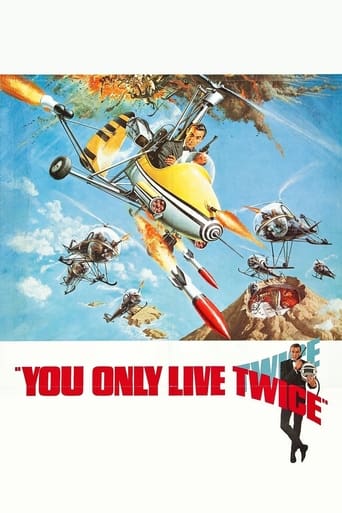
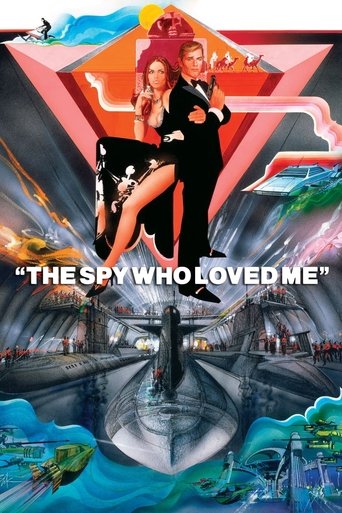
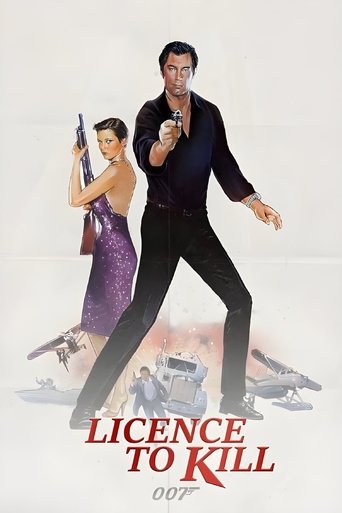
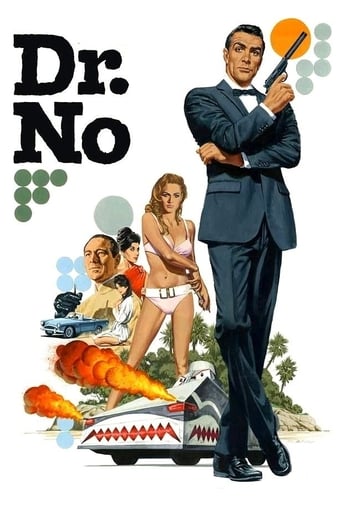
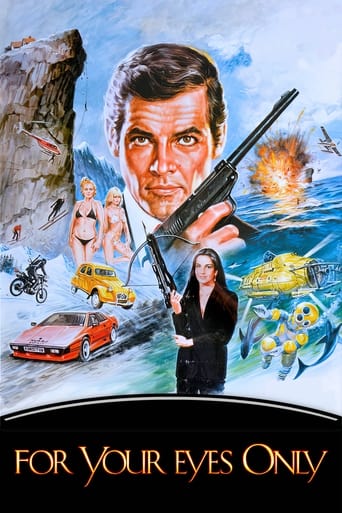
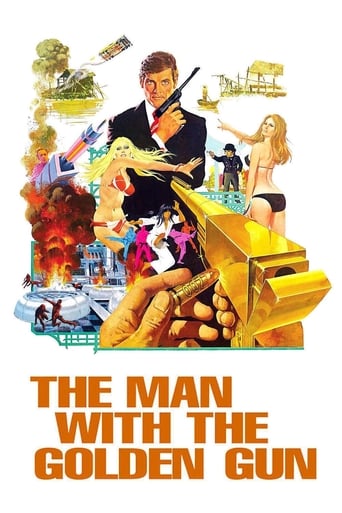
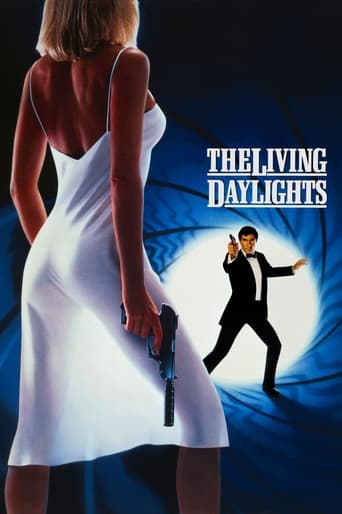
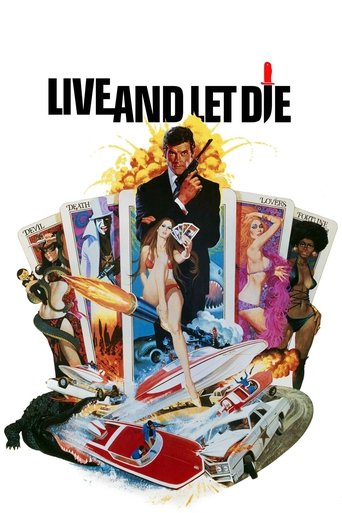
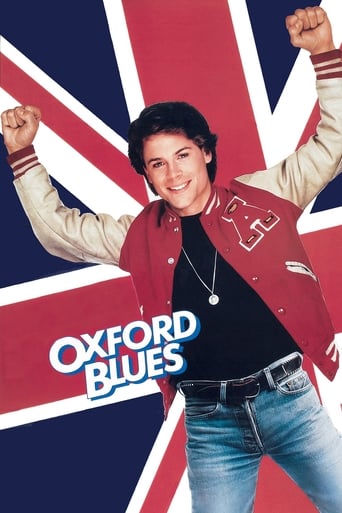
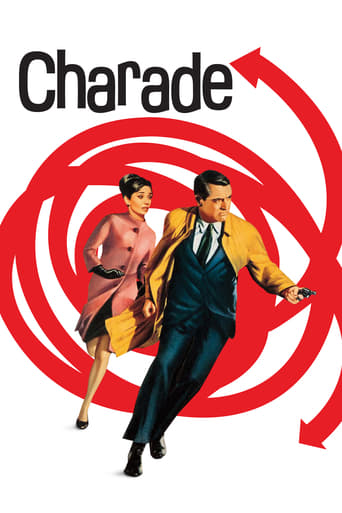
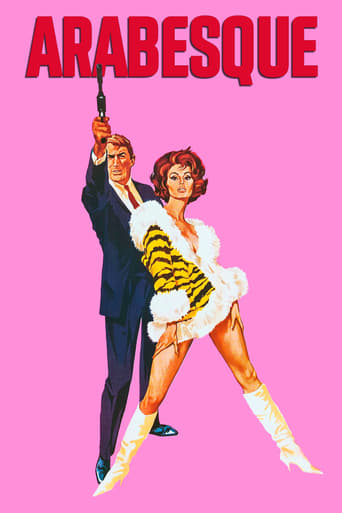
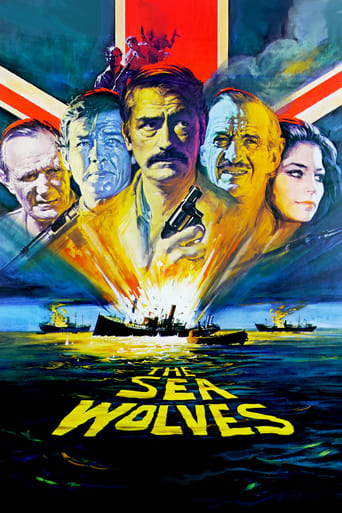
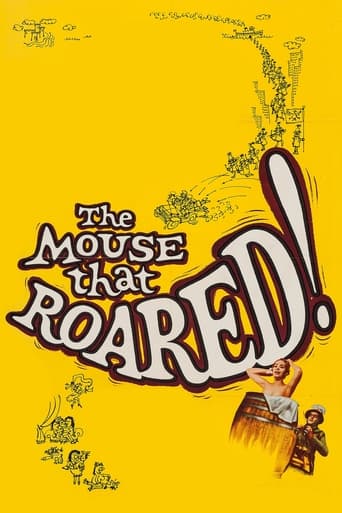
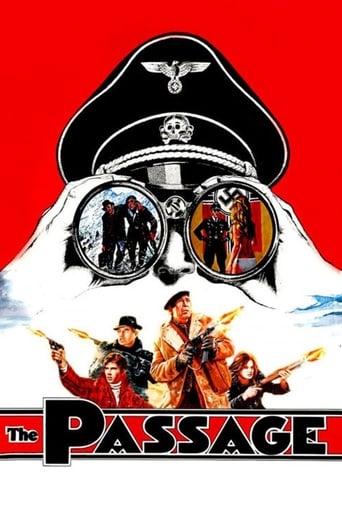
Maurice Binder (December 4, 1918 – April 9, 1991) was an American film title designer best known for his work on 16 James Bond films including the first, Dr. No (1962) and for Stanley Donen's films from 1958. He was born in New York City, but mostly worked in Britain from the 1950s onwards. In 1951, Binder directed two short films in the obscure Meet Mister Baby series; these films were preserved by the Academy Film Archive in 2015. He did his first film title design for Stanley Donen's Indiscreet (1958). The Bond producers first approached him after being impressed by his title designs for the Donen comedy film The Grass Is Greener (1960). Binder also provided sequences for Donen for Charade (1963) and Arabesque (1966), both accompanying music by Henry Mancini. Binder created the signature gun barrel sequence for the opening titles of the first Bond film, Dr. No (1962). Binder originally planned to employ a camera sighted down the barrel of a .38 calibre gun, but this caused some problems. Unable to stop down the lens of a standard camera enough to bring the entire gun barrel into focus, his assistant Trevor Bond created a pinhole camera to solve the problem and the barrel became crystal clear. Binder described the genesis of the gun barrel sequence in the last interview he recorded before he died in 1991: That was something I did in a hurry, because I had to get to a meeting with the producers in twenty minutes. I just happened to have little white, price tag stickers and I thought I'd use them as gun shots across the screen. We'd have James Bond walk through and fire, at which point blood comes down onscreen. That was about a twenty-minute storyboard I did, and they said, "This looks great!". At least one critic has also observed that the sequence recalls the gun fired at the audience at the end of The Great Train Robbery (1903). Binder is also known for featuring women performing a variety of activities such as dancing, jumping on a trampoline, or shooting weapons in his work. Both sequences are trademarks and staples of the James Bond films. Maurice Binder was succeeded by Daniel Kleinman as the title designer for GoldenEye (1995). Prior to GoldenEye, the only James Bond movies for which he did not create the opening title credits were From Russia with Love (1963) and Goldfinger (1964), both of which were designed by Robert Brownjohn. Binder shot opening and closing sequences involving a mouse (an animal that didn't appear in either the novel or the film) for The Mouse That Roared (1959), a sequence of monks filmed as a mosaic explaining the history of the Golden Bell in The Long Ships (1963), and a sequence of Spanish dancers explaining why the then topical reference of nuclear weapons vanishing in a B-52 mishap shifted from Spain to Greece in The Day the Fish Came Out (1967). He designed the title sequence for Sodom and Gomorrah (1963) that featured an orgy (the only one in the film). He took three days to direct the sequence that was originally supposed to take one day. Binder also was a producer of The Passage (1979), and a visual consultant on Dracula (1979) and Oxford Blues (1984). Binder died from lung cancer in London, aged 72. Source: Article "Maurice Binder" from Wikipedia in English, licensed under CC-BY-SA 3.0.
Bekannt für
 Sehmoment
 Sehmoment
 Sehmoment
 Sehmoment
 Sehmoment
 Sehmoment
 Sehmoment
 Sehmoment
 Sehmoment
 Sehmoment
 Sehmoment
 Sehmoment
 Sehmoment
 Sehmoment
 Sehmoment
 Sehmoment
 Sehmoment
 Sehmoment
 Sehmoment
 Sehmoment
 Sehmoment
 Sehmoment
 Sehmoment
 Sehmoment
 Sehmoment
 Sehmoment
 Sehmoment
 Sehmoment
 Sehmoment
 Sehmoment
 Sehmoment
 Sehmoment
 Sehmoment
 Sehmoment
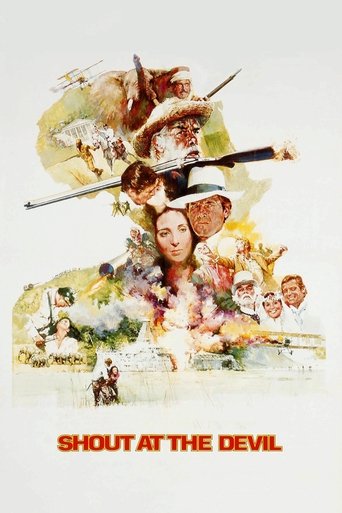 Sehmoment
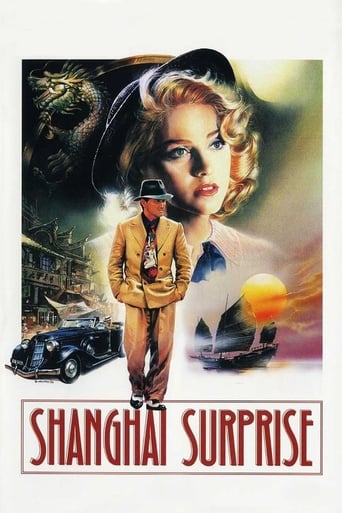 Sehmoment
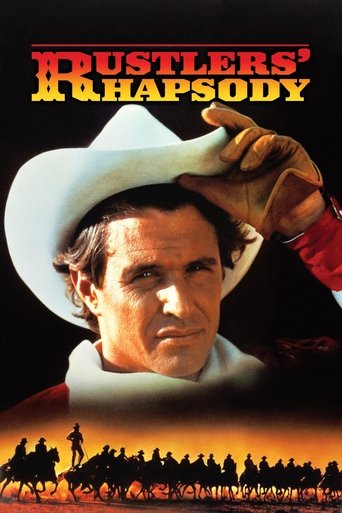 Sehmoment
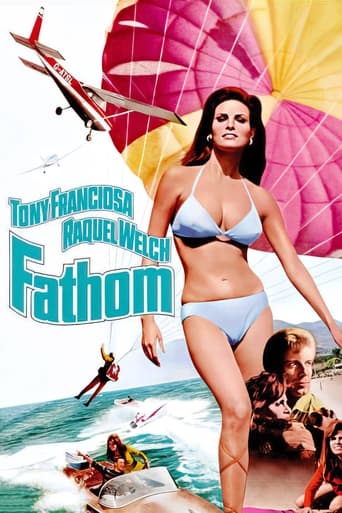 Sehmoment
 Sehmoment
 Sehmoment