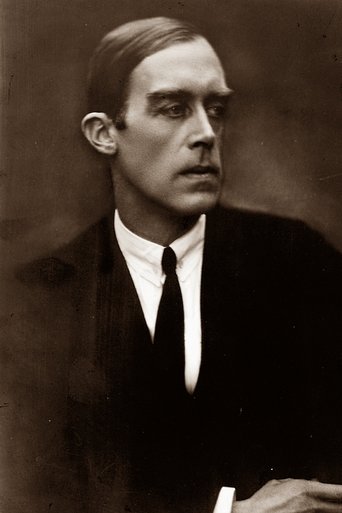
Walter Ruttmann
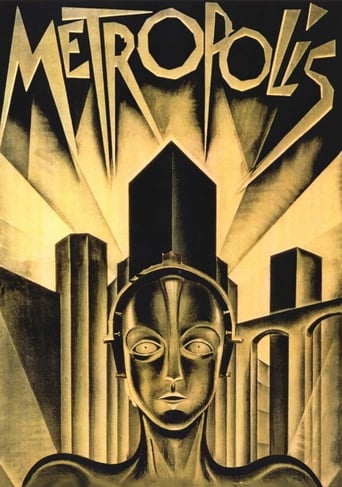
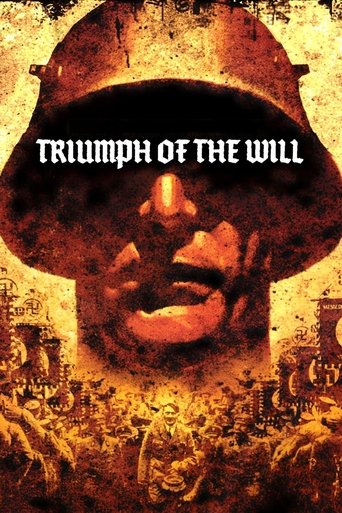
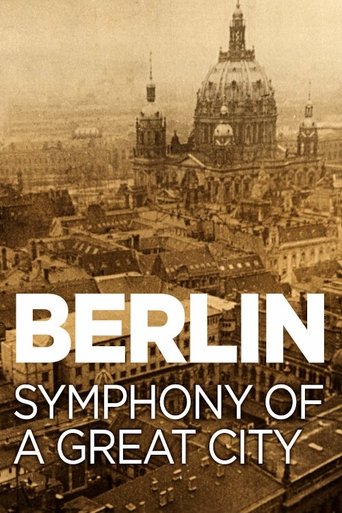
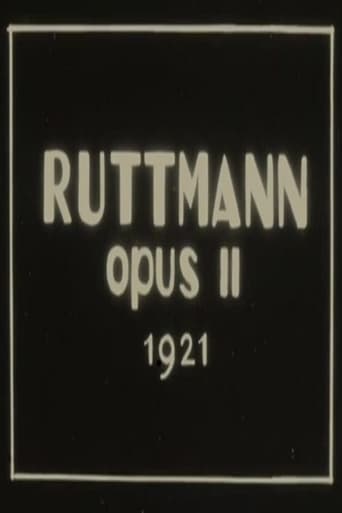
Walter Ruttmann war ein deutscher Filmregisseur und zählte zusammen mit Hans Richter, Viking Eggeling und Oskar Fischinger zu den Pionieren des deutschen Experimentalfilms. Ruttmann wurde in Frankfurt am Main geboren; seine Filmkarriere begann in den frühen 1920er Jahren. Seine ersten abstrakten Kurzfilme, „Lichtspiel: Opus I“ (1921) und „Opus II“ (1923), waren Experimente mit neuen Formen des filmischen Ausdrucks. Ruttmann und seine Kollegen der Avantgarde bereicherten die Filmsprache um neue formale Techniken. Ruttmann war ein bedeutender Vertreter der Avantgarde in Kunst und Musik. Seine frühen abstrakten Werke wurden 1929 auf dem Festival von Baden-Baden mit internationalem Beifall gefeiert, obwohl sie bereits fast acht Jahre alt waren. Ruttmann lizenzierte von Oskar Fischinger eine Wachsschneidemaschine, um Spezialeffekte für Lotte Reiniger zu erstellen. Gemeinsam mit Erwin Piscator arbeitete er an dem Film „Melodie der Welt“ (1929), doch am bekanntesten ist er für „Berlin: Die Sinfonie der Großstadt“ (1927). Während der NS-Zeit arbeitete er als Regieassistent von Leni Riefenstahl an „Triumph des Willens“ (1935). Er starb in Berlin an den Folgen einer Verwundung, die er als Kriegsfotograf an der Front erlitten hatte.
Bekannt für
 Sehmoment
 Sehmoment
 Sehmoment
 Sehmoment
 Sehmoment
 Sehmoment
 Sehmoment
 Sehmoment
 Sehmoment
 Sehmoment
 Sehmoment