Alan Clarke
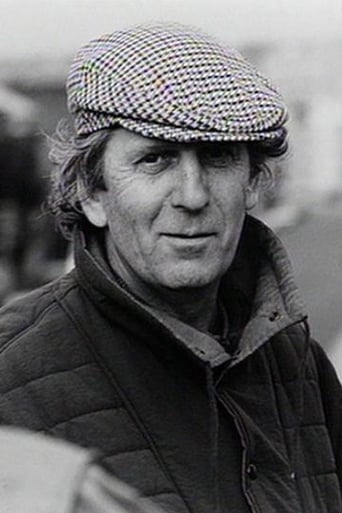
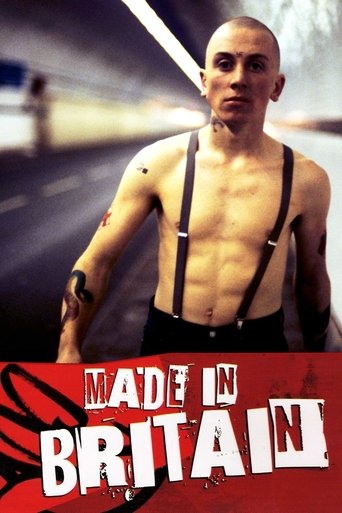
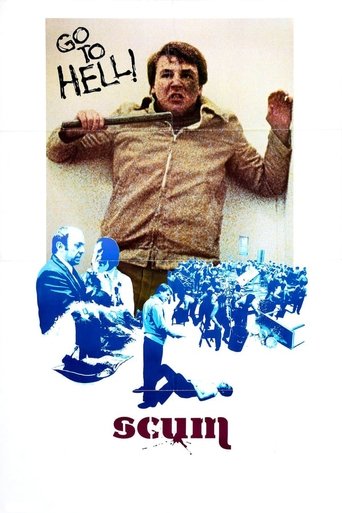
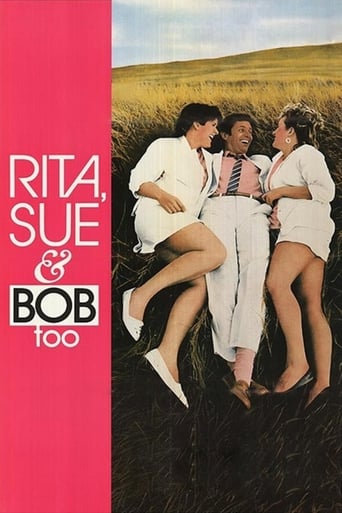
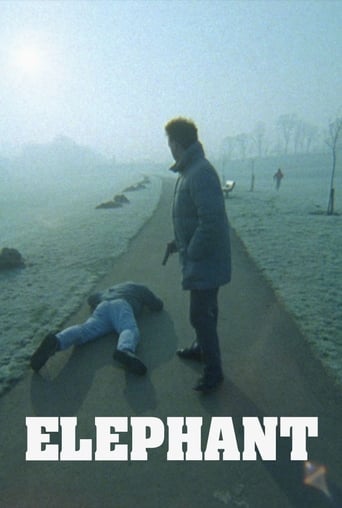
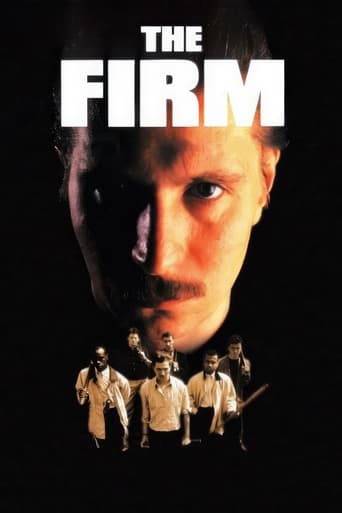
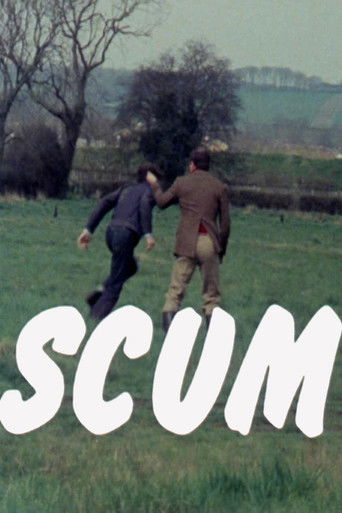
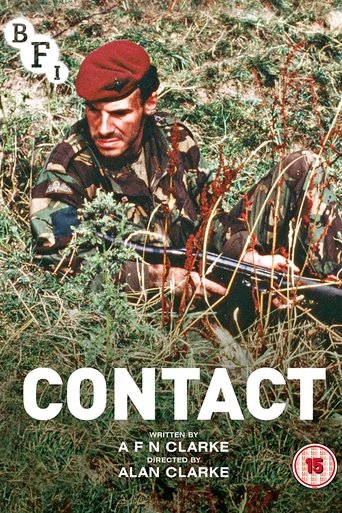
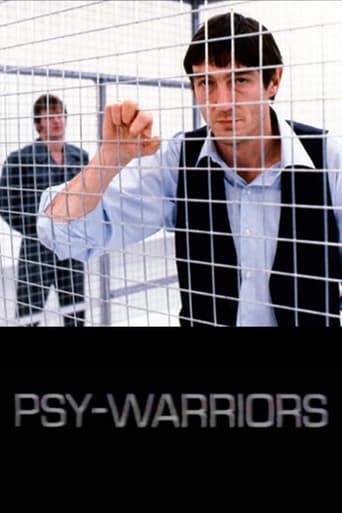
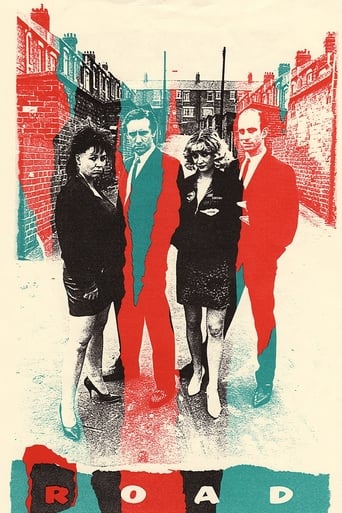
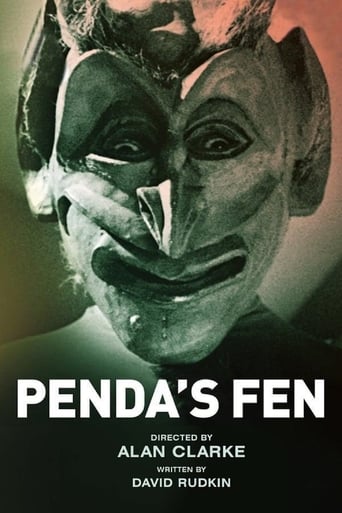
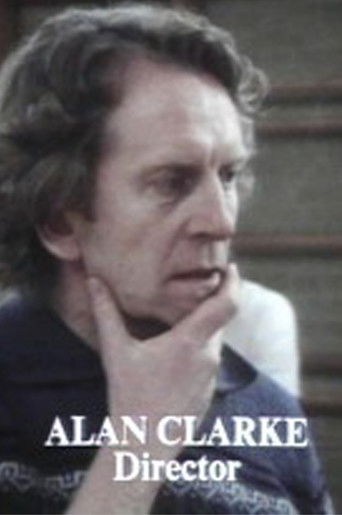
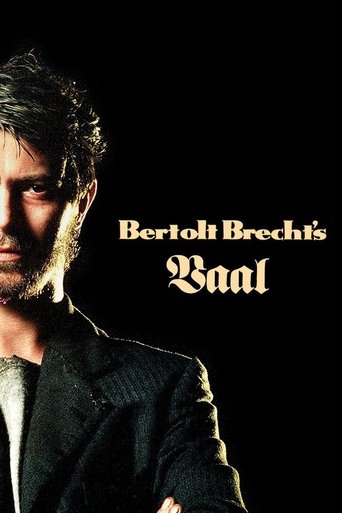
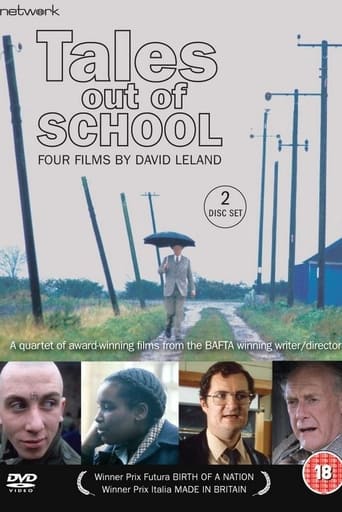
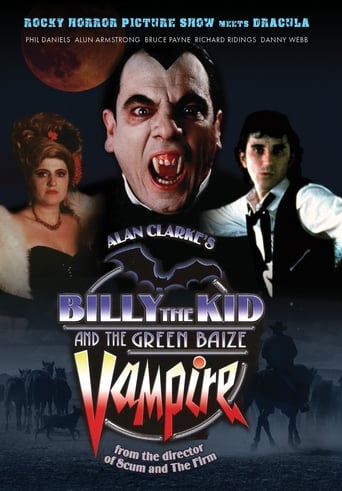
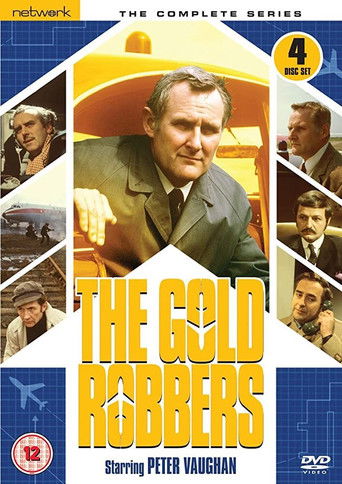
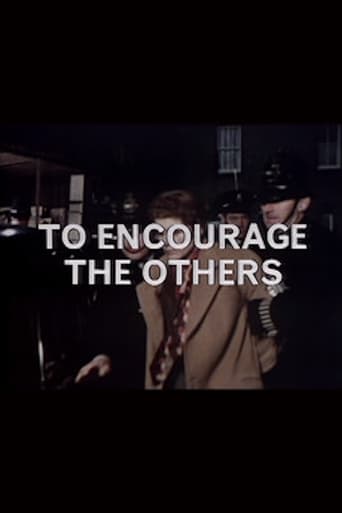
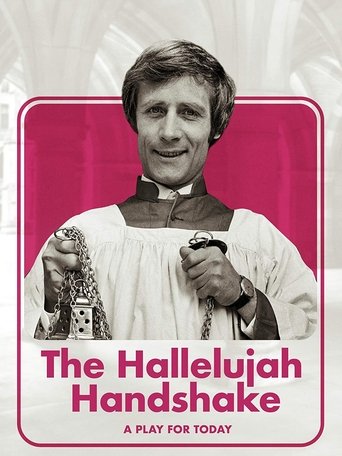
From Wikipedia, the free encyclopedia. Alan Clarke (28 October 1935 – 24 July 1990) was a television and film director, producer and writer, born in Wallasey, Merseyside, England. Most of Clarke's output was for television rather than cinema, including work for the famous play strands The Wednesday Play and Play for Today. His subject matter tended towards social realism, especially with respect to deprived or oppressed communities. As Dave Rolinson's book (see 'Further reading', below) on Clarke details, between 1962 and 1966 Clarke directed several plays at The Questors Theatre in Ealing, London. Between 1967 and 1969 he directed various ITV productions including plays by Alun Owen (Shelter, George’s Room, Stella, Thief, Gareth), Edna O’Brien (Which Of These Two Ladies Is He Married To? and Nothing’s Ever Over) and Roy Minton (The Gentleman Caller, Goodnight Albert, Stand By Your Screen). He also worked on the series The Informer, The Gold Robbers and A Man Of Our Times (but not, as Sight and Sound once claimed, Big Breadwinner Hog). Clarke continued to work for ITV through the 1970s but now made much of his work for the BBC. This included pieces for The Wednesday Play (Sovereign's Company 1970), Play for Today and Play of the Month. Distinctive work for these strands included further plays by Minton including Funny Farm (1975) and Scum (further details below), but also Sovereign’s Company (1970) by Don Shaw, The Hallelujah Handshake (1970) by Colin Welland and Penda’s Fen (1974) by David Rudkin. He also made To Encourage the Others (1972), a powerful drama documentary about the Derek Bentley case, and several documentaries, including Vodka Cola (1981) on multinational corporations. A number of his works achieved notoriety and widespread criticism from the conservative end of the political spectrum, including Scum (1977), dealing with the subject of borstals (youth prisons), which was banned by the BBC, and subsequently remade by Clarke as a feature film in 1979 (the original television version was eventually screened after his death). His 1982 television play Made in Britain, starring Tim Roth (in his television debut) as a racist skinhead and his negative relationship with authorities and racial minorities, was based on a screenplay by David Leland. He directed the feature film Rita, Sue and Bob Too released in 1987. Clarke's work in the 1980s is fiercely stark and political, including the David Leland plays Beloved Enemy (1981) on multinational corporations and Psy-Warriors (1981) on military interrogation. But he also directed David Bowie in Baal (1982) for the BBC, part of Clarke’s interest in Bertolt Brecht. His film work became more sparse, culminating in Contact (1984) on the British military presence in Northern Ireland, Billy the Kid and the Green Baize Vampire (1985), Road (1987) and his short film (40 mins.) Elephant (1989) which dealt with 'the troubles' in Northern Ireland and featured a series of shootings with no narrative and hardly any dialogue; all were based on accounts of actual sectarian killings that had taken place in Belfast. The film took its title from Bernard MacLaverty's description of the troubles as "the elephant in our living room" - a reference to the collective denial of the underlying social problems of Northern Ireland. His final production, The Firm (1989), covered football hooliganism through the lead character played by Gary Oldman, but also the politics of Thatcher’s Britain. Clarke inspired a generation of actors, writers and directors, including Paul Greengrass, Stephen Frears, Tim Roth, Ray Winstone, Gary Oldman, Danny Brocklehurst and Iain MacDonald. Filmmaker Harmony Korine has cited Clarke as a major influence on his work. Clarke's son is Gabriel Clarke, an award-winning sports journalist with ITV. Description above from the Wikipedia article Alan Clarke, licensed under CC-BY-SA, full list of contributors on Wikipedia.
Bekannt für
 Sehmoment
 Sehmoment
 Sehmoment
 Sehmoment
 Sehmoment
 Sehmoment
 Sehmoment
 Sehmoment
 Sehmoment
 Sehmoment
 Sehmoment
 Sehmoment
 Sehmoment
 Sehmoment
 Sehmoment
 Sehmoment
 Sehmoment
 Sehmoment
 Sehmoment
 Sehmoment
 Sehmoment
 Sehmoment
 Sehmoment
 Sehmoment
 Sehmoment
 Sehmoment
 Sehmoment
 Sehmoment
 Sehmoment
 Sehmoment
 Sehmoment
 Sehmoment
 Sehmoment
 Sehmoment
 Sehmoment
 Sehmoment