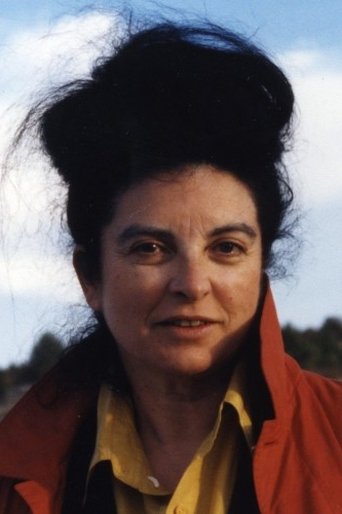
Raymonde Carasco
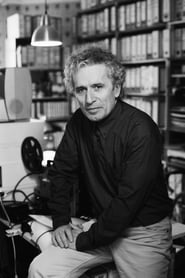
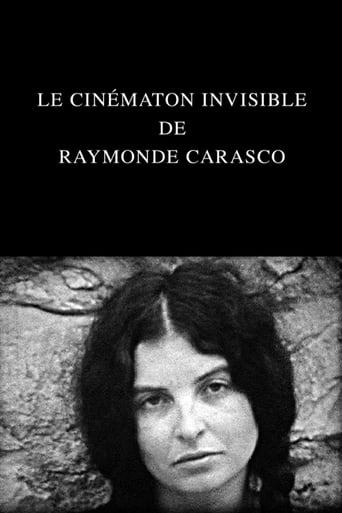
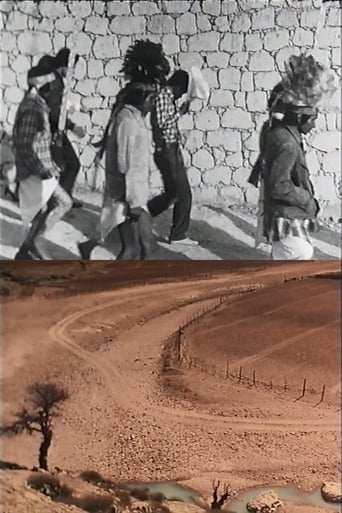
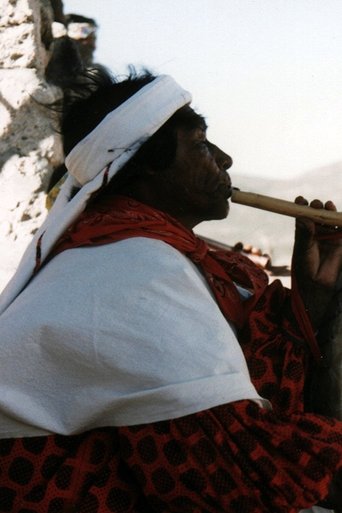
Director, author, and professor of philosophy and film studies Raymonde Carasco (1939-2009) left behind a remarkable body of work that remains little known today. Her attempts at combining film and anthropology, which she eventually gave up, arose from an interest in Sergei Eisenstein, about whose approach to editing she had written a dissertation under the guidance of Roland Barthes. Inspired by Antonin Artaud’s book Voyage to the Land of the Tarahumara (1947, published in English in 1976 as The Peyote Dance), she traveled to Mexico, where she spent more than years with this group of Native Americans. Together with her husband, the cinematographer and film editor Régis Hebraud, she filmed an entire series of ethnographic films: Tarahumaras 78 (1979), Tarahumaras 79 – Tutuguri (1980), Los Pintos (1982), Tarahumaras 85 – Los Pascoleros (1996), Artaud et les Tarahumaras (1996), Ciguri 98 – The Peyote Dance (1998), Ciguri 99 – Le dernier Chaman (1999) and La Fêlure du temps (2004)
Bekannt für
 Sehmoment
 Sehmoment
 Sehmoment
 Sehmoment
 Sehmoment
 Sehmoment
 Sehmoment
 Sehmoment
 Sehmoment
 Sehmoment
 Sehmoment