牡丹亭 (1988)
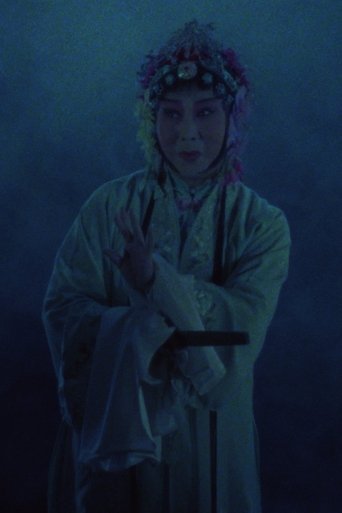
A young aristocrat is seduced by a young man who appeared to her in a dream one spring afternoon. Captive of this impossible love, the young girl is dying of melancholy. But the constancy of her love is stronger than death; she wins the pity of the judge of the underworld, manages to find her lover and come back to life. The opera "The Peony Pavilion" was composed in 1598 by the poet Tang Xianzu (1550-1617), one of the greatest playwrights of the Ming period. Of all the forms of Chinese opera that have followed one another since the 12th century, the kunqu is the one that best preserves the image of a classical art highly appreciated in educated circles for its musical, literary and gestural refinement.
Feature zu 牡丹亭 lesen →Hauptbesetzung
Vollständige Besetzung & Crew →

Movie DNA
Häufige Fragen zu 牡丹亭
Worum geht es in 牡丹亭?
A young aristocrat is seduced by a young man who appeared to her in a dream one spring afternoon. Captive of this impossible love, the young girl is dying of melancholy. But the constancy of her love is stronger than death; she wins the pity of the judge of the underworld, manages to find her lover and come back to life. The opera "The Peony Pavilion" was composed in 1598 by the poet Tang Xianzu (1550-1617), one of the greatest playwrights of the Ming period. Of all the forms of Chinese opera that have followed one another since the 12th century, the kunqu is the one that best preserves the image of a classical art highly appreciated in educated circles for its musical, literary and gestural refinement.