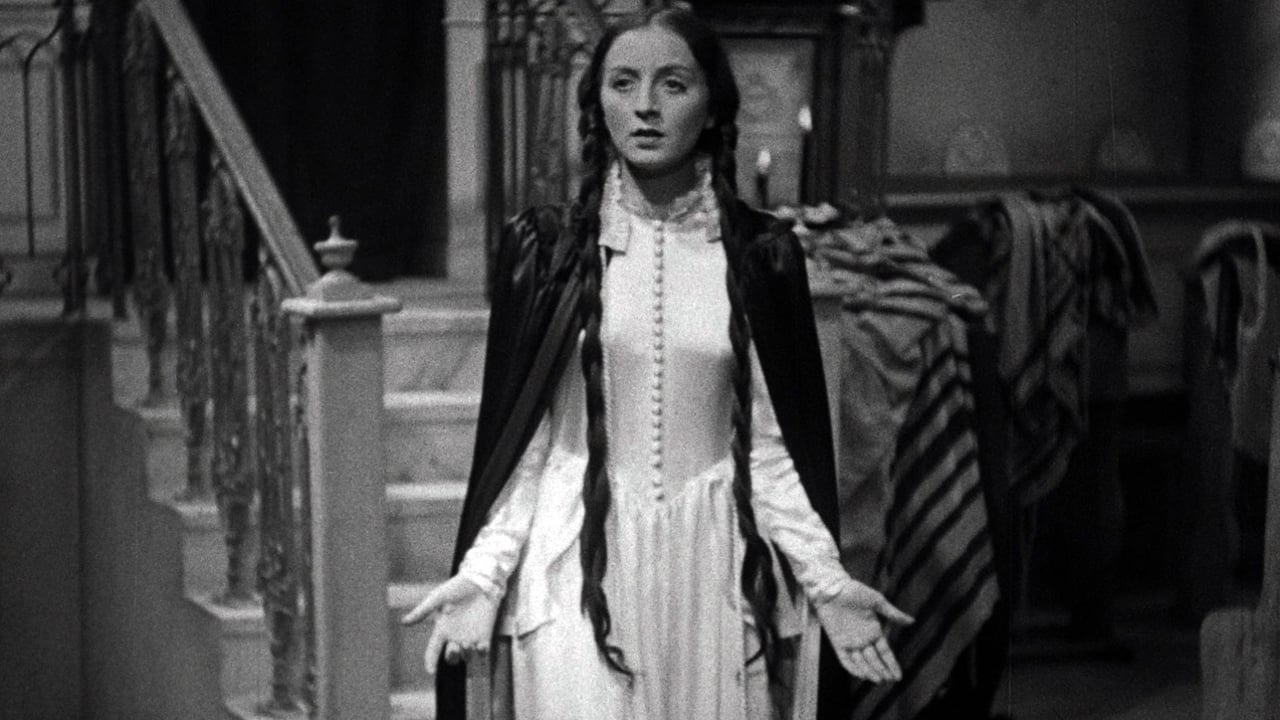
דער דיבוק (1937): reparto, argumento y streaming
1937 · Película · ★ 5.7
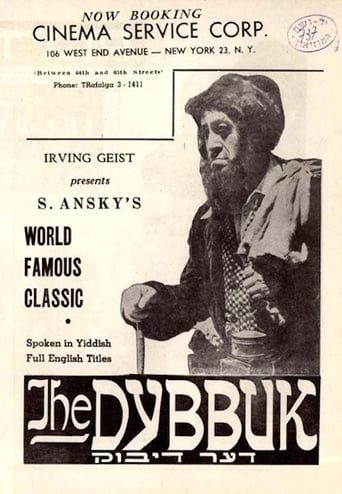
Released in 1937, דער דיבוק is a fantasía, drama and música film directed by Michał Waszyński, running about 108 minutes.
What it’s about. In a Polish shtetl, two young men who have grown up together betrothe their unborn children, ignoring the advice of a mysterious traveler not to pledge the lives of future generations. Soon after, one of them dies, and the wife of the other dies in childbirth. The children grow up in different towns, without ever knowing of the betrothal, but the power of the vow leads them to meet each other when they are marriageable. The young woman, Leah, is promised to another man, but Channon, the son of the father who died, is a practitioner of mysticism, and seeks to win his bride through sorcery.
Who’s in it. דער דיבוק stars Avrom Morewski as Rabbi Ezeriel ben Hodos (as Abram Morewski), Ajzyk Samberg as Meszulach - the messenger, Mojzesz Lipman as Sender Brynicer ben Henie and Lili Liliana as Lea - Sender's daughter, among others.
How it landed. With an audience score of 5.7/10, דער דיבוק has drawn a solid, mixed-to-positive response.
Where to watch. Streaming options change often. See the full, country-by-country breakdown on our where to watch דער דיבוק page.
If you liked it. Fans of דער דיבוק tend to enjoy El señor de los anillos: El retorno del rey, La milla verde, El viaje de Chihiro and El señor de los anillos: La comunidad del anillo.
Preguntas frecuentes
- Where can I watch דער דיבוק (1937)?
- Streaming, rental and purchase options for דער דיבוק change frequently. Check our where-to-watch page for the latest availability in your country.
- Is דער דיבוק worth watching?
- דער דיבוק holds an audience score of 5.7 out of 10, and is a strong pick if you enjoy fantasía, drama and música. Reactions are mixed, so it may depend on taste.
- Who stars in דער דיבוק?
- דער דיבוק stars Avrom Morewski, Ajzyk Samberg, Mojzesz Lipman, Lili Liliana and Leon Liebgold.
- When was דער דיבוק released?
- דער דיבוק was released in 1937, with a runtime of about 108 minutes.