Sidney Howard
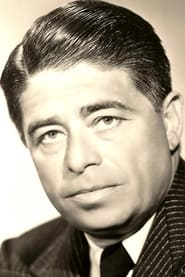
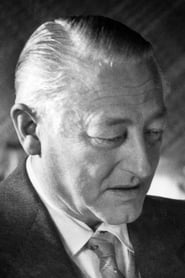
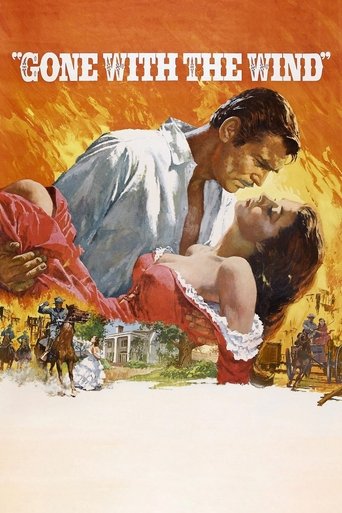
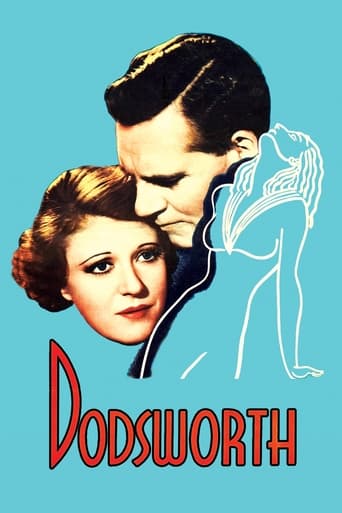
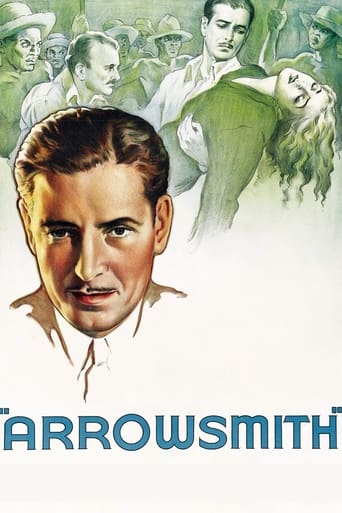
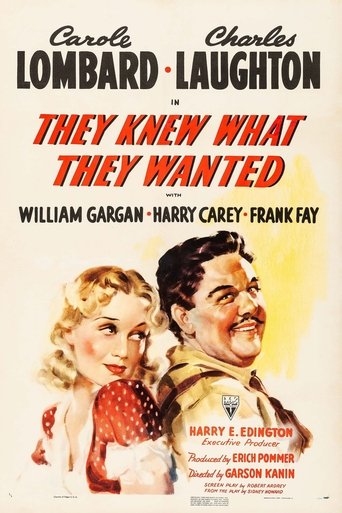
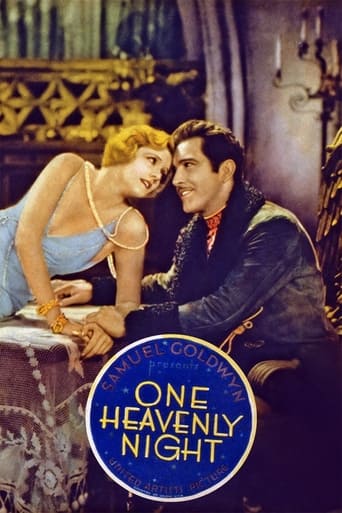
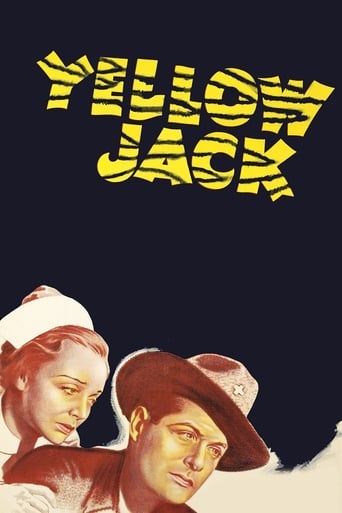
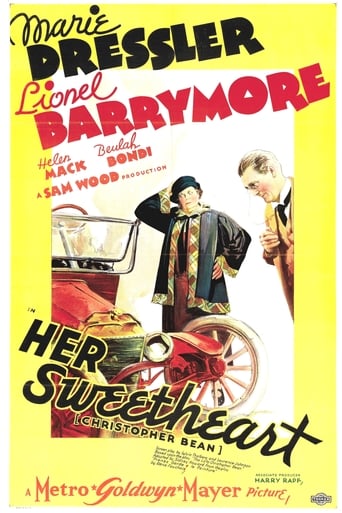
From Wikipedia, the free encyclopedia Sidney Coe Howard (June 26, 1891 – August 23, 1939) was an American playwright, dramatist and screenwriter. He received the Pulitzer Prize for Drama in 1925 and a posthumous Academy Award in 1940 for the screenplay for Gone with the Wind. Sidney Howard was born in Oakland, California, the son of Helen Louise (née Coe) and John Lawrence Howard. He studied playwriting at Harvard University under George Pierce Baker in his legendary "47 workshop." Howard volunteered with Andrew's American Field Service, serving in France and the Balkans during World War I. After the war, Howard made use of his proficiency at foreign languages and translated a number of literary works from French, Spanish, Hungarian, and German. He was a liberal intellectual whose politics became progressively more left-wing over the years. Howard's first success was with his realistic romance They Knew What They Wanted 1924 that established his reputation as a serious writer. The story of a middle-aged Italian vineyard owner who woos a young woman by mail with a false snapshot of himself, marries her, and then forgives her when she becomes pregnant by one of his farm hands. Theater critic Brooks Atkinson called it "a tender, original, merciful drama." They Knew What They Wanted won the 1925 Pulitzer Prize for Drama, was adapted three times into film (1928, 1930, and 1940) and later became the Broadway musical, The Most Happy Fella. One of his greatest successes on Broadway was an adaptation of a French comedy by René Fauchois, The Late Christopher Bean. Yellow Jack, an historical drama about the war against yellow fever, was praised for its high-minded purpose and innovative staging when it premiered in 1934. Hired by Samuel Goldwyn, Howard worked in Hollywood at MGM and wrote several successful screenplays. Despite his well-known left-wing political sympathies he became a shrewd Hollywood insider. In 1932, Howard was nominated for an Academy Award for his adaptation of the Sinclair Lewis novel Arrowsmith and again in 1936 for Dodsworth. In 1935, Howard wrote the Broadway stage adaptation of Humphrey Cobb's novel Paths of Glory. With its unsparing depictions of battlefield brutality, the play failed at the box office. As a World War I veteran, however, Howard believed it necessary to show the horrors of armed conflict. The film version of the novel, directed by Stanley Kubrick, did not appear until 1957. Howard's screenplay for Gone with the Wind echoed Paths of Glory with an unflinching look at the cost of war. Howard died in the summer of 1939 at the age of forty-eight in Tyringham, Massachusetts while working on his 700-acre farm. He was crushed to death in a garage by his two-and-one-half ton tractor as he was trying to crank it. Howard was the posthumous winner of the 1939 Academy Award for an adapted screenplay for Gone with the Wind. (He was the only writer honored for the writing of that screenplay, despite the fact that his script was revised by several other writers.) This was the first time a posthumous nominee for any Oscar won the award. He was also posthumously inducted into the American Theatre Hall of Fame in 1981. He is buried in the Tyringham Cemetery.
Known for
 Momento
 Momento
 Momento
 Momento
 Momento
 Momento
 Momento
 Momento
 Momento
 Momento
 Momento
 Momento
 Momento
 Momento
 Momento
 Momento
 Momento
 Momento
 Momento
 Momento
 Momento