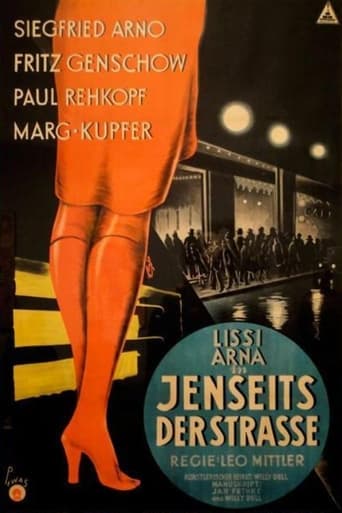
Al otro lado de la calle (1929)
Original title: Jenseits der Straße
6 votes
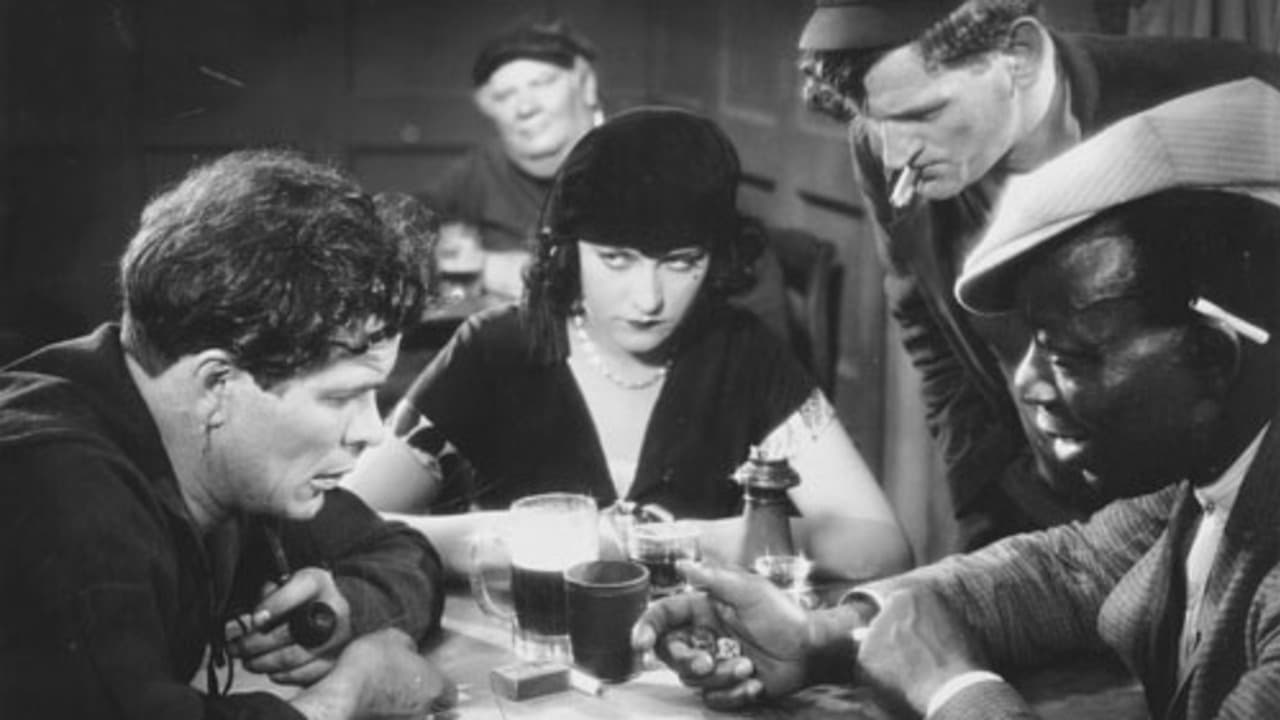
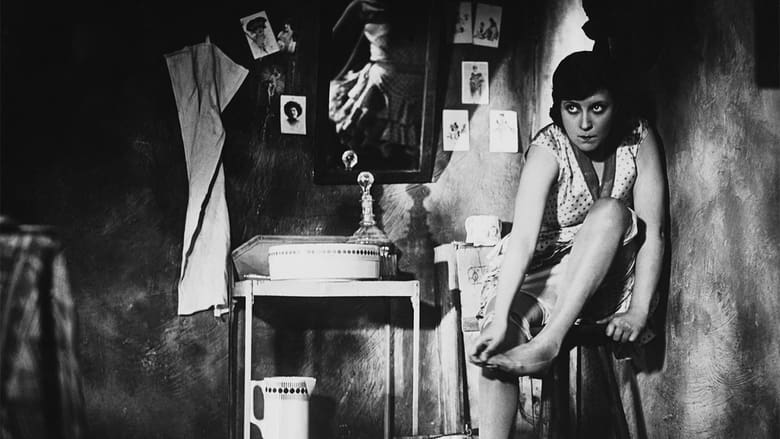
A pre-Depression slice of proletarian life from Weimar Germany, Harbour Drift is unusually interesting for its indifferent pessimism, rejecting even the minor rays of hope which permeate the other low-life ‘street films’ of the period. A sordid tale of poverty and greed set within a quayside milieu of crime and prostitution, the narrative centres on the quest for a sparkling pearl necklace stolen by a beggar under the gaze of a prostitute, who persuades her unemployed friend to steal it back, with tragic consequences. The story unfolds in flashback, without irony or a hint of redemption: life simply goes on. The film is remarkable for the innovative camerawork of Friedl Behn-Grund, which manipulates light and shadow to create a nightmarish atmosphere of fear and premonition.
Leer el reportaje de Al otro lado de la calle →Multimedia
Reparto principal
Reparto y equipo completo →



Movie DNA
Títulos similares
Más Drama → Momento
 Momento
 Momento
 Momento
 Momento
 Momento
 Momento
 Momento
 Momento
 Momento
 Momento
 Momento
Frequently asked questions about Al otro lado de la calle
What is Al otro lado de la calle about?
A pre-Depression slice of proletarian life from Weimar Germany, Harbour Drift is unusually interesting for its indifferent pessimism, rejecting even the minor rays of hope which permeate the other low-life ‘street films’ of the period. A sordid tale of poverty and greed set within a quayside milieu of crime and prostitution, the narrative centres on the quest for a sparkling pearl necklace stolen by a beggar under the gaze of a prostitute, who persuades her unemployed friend to steal it back, with tragic consequences. The story unfolds in flashback, without irony or a hint of redemption: life simply goes on. The film is remarkable for the innovative camerawork of Friedl Behn-Grund, which manipulates light and shadow to create a nightmarish atmosphere of fear and premonition.
How long is Al otro lado de la calle?
Al otro lado de la calle has a runtime of 74 minutes.