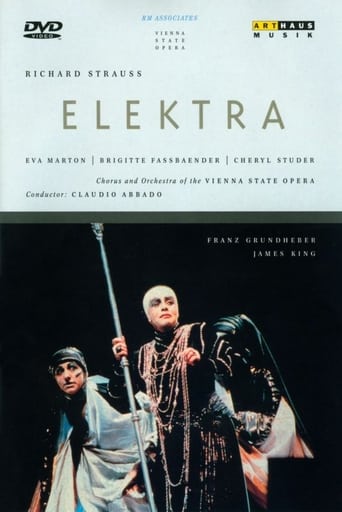
Elektra (1989)
Recorded at the Vienna State Opera house in 1989, this staging of Richard Strauss and Hugo von Hofmannsthal’s Elektra is one of the glories of live opera on film, deserving of eternal availability. The DVD picture has great clarity, despite the darkness of Hans Schavernoch’s set design. Other than the cliché of a huge statue head, toppled on its side, the set manages to be suitably representative of a decaying palace as well as an imposing, theatrical space, dominated by the mammoth body of the statue from which the head apparently dropped, draped with the ropes that seem to have enabled the decapitation. Sooner or later most of the characters cling to and twist around those ropes, an apt stage metaphor for the remorseless repercussions from the murder of Agammenon by his unfaithful wife Klytämnestra and her paramour, Aegisthus. Reinhard Heinrich’s costumes capture a distant era while sustaining a creepily modern look — part Goth, part homeless, part Spa-wear.
Leer el reportaje de Elektra →Reparto principal
Reparto y equipo completo →
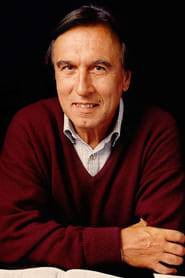 Claudio AbbadoSelf - Conductor
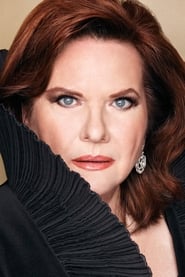 Éva MartonBrigitte FassbaenderKlytemnästra
 Cheryl StuderJames KingFranz GrundheberOrchester der Wiener StaatsoperSelf - Orchestra
Palabras clave
Movie DNA
Títulos similares
Más Música → Momento
 Momento
 Momento
 Momento
 Momento
 Momento
 Momento
 Momento
 Momento
 Momento
 Momento
 Momento
Frequently asked questions about Elektra
What is Elektra about?
Recorded at the Vienna State Opera house in 1989, this staging of Richard Strauss and Hugo von Hofmannsthal’s Elektra is one of the glories of live opera on film, deserving of eternal availability. The DVD picture has great clarity, despite the darkness of Hans Schavernoch’s set design. Other than the cliché of a huge statue head, toppled on its side, the set manages to be suitably representative of a decaying palace as well as an imposing, theatrical space, dominated by the mammoth body of the statue from which the head apparently dropped, draped with the ropes that seem to have enabled the decapitation. Sooner or later most of the characters cling to and twist around those ropes, an apt stage metaphor for the remorseless repercussions from the murder of Agammenon by his unfaithful wife Klytämnestra and her paramour, Aegisthus. Reinhard Heinrich’s costumes capture a distant era while sustaining a creepily modern look — part Goth, part homeless, part Spa-wear.