Outra Forma de Luta (2014)
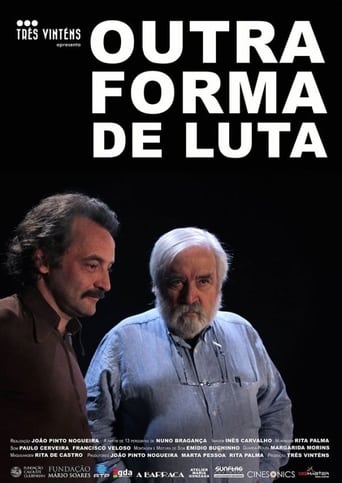
In early 1985, the writer Nuno Bragança hands his friend Carlos Antunes a 13 question’s questionnaire; 13 sheets of graph paper, of which he offered the recto-verso of each for his friend to answer. The questions were about Carlos Antunes’ personal and political career, with a special interest in his involvement in the Revolutionary Brigades and the armed struggle against the dictatorship that led to his arrest in 1978. The untimely death of the writer, in the same year, left the questionnaire unanswered and some uncertainty as to its purpose. After almost 30 years, the director asks Carlos Antunes to answer the 13 questions and to reconstruct the achievements, illusions and sorrows of the Revolutionary Brigades in Portugal, in the years surrounding the Carnations’ Revolution in 1974.
Leer el reportaje de Outra Forma de Luta →Reparto principal
Reparto y equipo completo →

Movie DNA
Frequently asked questions about Outra Forma de Luta
What is Outra Forma de Luta about?
In early 1985, the writer Nuno Bragança hands his friend Carlos Antunes a 13 question’s questionnaire; 13 sheets of graph paper, of which he offered the recto-verso of each for his friend to answer. The questions were about Carlos Antunes’ personal and political career, with a special interest in his involvement in the Revolutionary Brigades and the armed struggle against the dictatorship that led to his arrest in 1978. The untimely death of the writer, in the same year, left the questionnaire unanswered and some uncertainty as to its purpose. After almost 30 years, the director asks Carlos Antunes to answer the 13 questions and to reconstruct the achievements, illusions and sorrows of the Revolutionary Brigades in Portugal, in the years surrounding the Carnations’ Revolution in 1974.