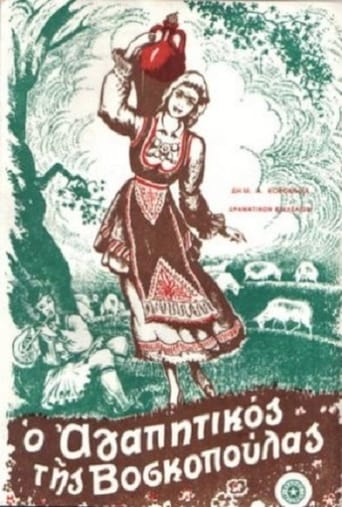
Ο αγαπητικός της βοσκοπούλας (1932)
2 votes
It is the third film in a row of the type that much later on was called "fustanella (Greek kilt)", following Gkolfo by Bachatoris (1914) and Astero by Gaziadis (1929). It is based on the successful theatrical play (rhyming pastoral romance) by Dimitrios Koromilas, who draws his inspiration from a poem by Giannis Zalokostas "I fell in love with a shepherdess". The setting is Greece, a rural country in the middle of the 19th century. A landlord, Mitros, gives Kroustallo a golden cross as a gift to show her his tender feelings. He doesn't know, however, that she is already in love with Liakos, a destitute young shepherd to whom Mitros owes his life - in the past he had saved him from drowning in the river. The cross around the neck of the shepherdess causes fights between the two men, while Mitros asks Kroustallo's hand from her mother, Mrs. Stathaina, who had been his childhood love.
Leer el reportaje de Ο αγαπητικός της βοσκοπούλας →Reparto principal
Reparto y equipo completo → Sofia DorivalStathainaDimitris TsakirisMitrosNina AfentakiKroustalloAimilia MarikouGianainaMichalis VlahopoulosUncle Chronis
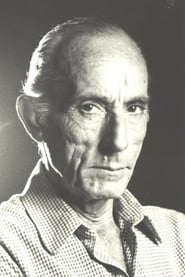 Manos KatrakisLiakosDimitris KotziasPanagis SvoronosGkerlasMeropi RozanGiorgos Batis
Palabras clave
Movie DNA
Títulos similares
Más Drama → Momento
 Momento
 Momento
 Momento
 Momento
 Momento
 Momento
 Momento
 Momento
 Momento
 Momento
 Momento
Frequently asked questions about Ο αγαπητικός της βοσκοπούλας
What is Ο αγαπητικός της βοσκοπούλας about?
It is the third film in a row of the type that much later on was called "fustanella (Greek kilt)", following Gkolfo by Bachatoris (1914) and Astero by Gaziadis (1929). It is based on the successful theatrical play (rhyming pastoral romance) by Dimitrios Koromilas, who draws his inspiration from a poem by Giannis Zalokostas "I fell in love with a shepherdess". The setting is Greece, a rural country in the middle of the 19th century. A landlord, Mitros, gives Kroustallo a golden cross as a gift to show her his tender feelings. He doesn't know, however, that she is already in love with Liakos, a destitute young shepherd to whom Mitros owes his life - in the past he had saved him from drowning in the river. The cross around the neck of the shepherdess causes fights between the two men, while Mitros asks Kroustallo's hand from her mother, Mrs. Stathaina, who had been his childhood love.