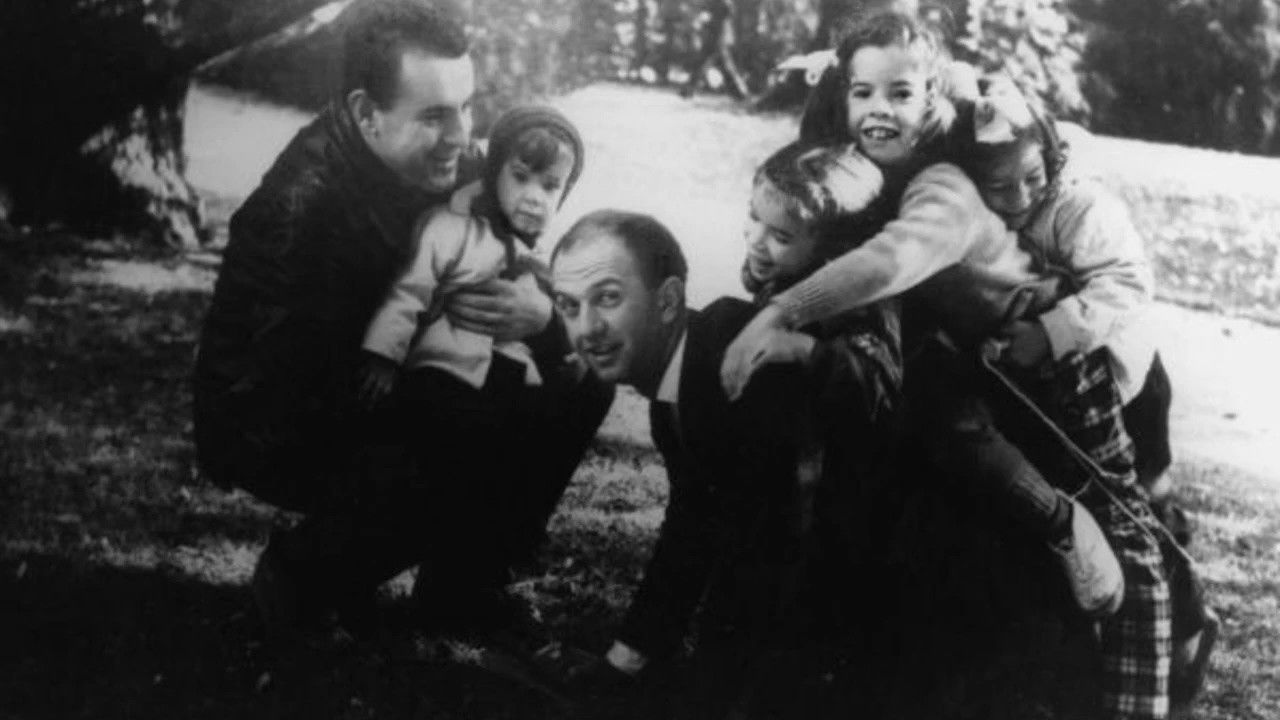
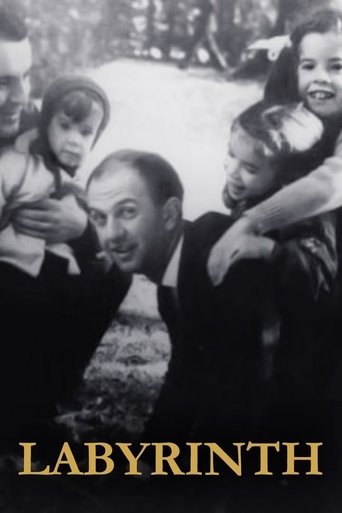
Labyrint (1991)
1 votes
Film makes the creative process visible by letting its narrative flow in the mind of a foreign director who is researching a film about Franz Kafka in Prague. Based on the principle of dreams and free association, segments unfold that deal with the various points of view that Kafka's work, personality and fate offer. In the labyrinth of his mind, the fictional director projects himself into situations from the author's life, with Kafka himself as his guide. At the same time, he delves into the history of the persecution of the Jews and glimpses the monstrosity of the bureaucratic apparatus that Kafka anticipated but could not have foreseen the monstrous size and function it would grow to a few years after his death in the institutionalized genocide and overall machinery of Nazism.
Leer el reportaje de Labyrint →Reparto principal
Reparto y equipo completo →
 Maximilian SchellThe FilmmakerChristopher ChaplinFranz KafkaChristian ThuriDavid Hilsner
 Miloš KopeckýRabbi Löw
 Vlastimil BrodskýLöblAntonia MiklíkováEsther
 Daniel MargoliusSimon
 Milan ŠimáčekLudvík Pozník
 Oto ŠevčíkSS man GüntherViktor FeuerlichtLadislav Blum
Movie DNA
Frequently asked questions about Labyrint
What is Labyrint about?
Film makes the creative process visible by letting its narrative flow in the mind of a foreign director who is researching a film about Franz Kafka in Prague. Based on the principle of dreams and free association, segments unfold that deal with the various points of view that Kafka's work, personality and fate offer. In the labyrinth of his mind, the fictional director projects himself into situations from the author's life, with Kafka himself as his guide. At the same time, he delves into the history of the persecution of the Jews and glimpses the monstrosity of the bureaucratic apparatus that Kafka anticipated but could not have foreseen the monstrous size and function it would grow to a few years after his death in the institutionalized genocide and overall machinery of Nazism.