Shepherdess of Ivry (1913): cast, story & where to watch
1913 · Film · ★ 5.5
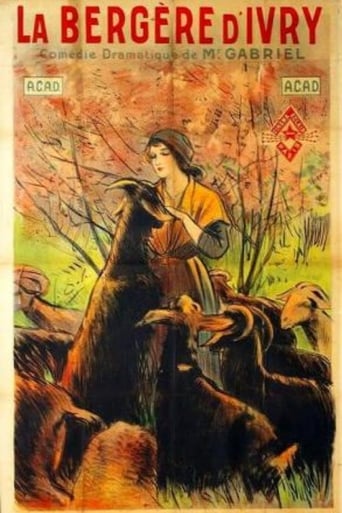
Released in 1913, Shepherdess of Ivry is a comedy and drama film directed by Maurice Tourneur, running about 29 minutes.
What it’s about. Hortense Fauvel, the wife of a village postmaster, takes Aimée, a young shepherdess, under her wing. Aimée soon becomes engaged to François, the Fauvel’s loyal servant. At a fête hosted by the Count of Granval, Aimée gives her fiancé a knife, telling him that he should kill her if ever she ceases to be faithful to him. That same day, the Count is planning to have an amorous liaison with Hortense, but Aimée intervenes. To save her mistress from a scandal, Aimée tells the postmaster that it is she, not Hortense, who has been seeing the Count. Disgraced, Aimée is dismissed by the postmaster. François contemplates his revenge and recalls what Aimée said to him.
Who’s in it. Shepherdess of Ivry stars Albert Decoeur as Fauvel, Paulette Noizeux as Hortense Fauvel, Henry Roussel as Le Comte de Granval and Renée Sylvaire as Aimée.
How it landed. With an audience score of 5.5/10, Shepherdess of Ivry has drawn a solid, mixed-to-positive response.
Where to watch. Streaming options change often. See the full, country-by-country breakdown on our where to watch Shepherdess of Ivry page.
If you liked it. Fans of Shepherdess of Ivry tend to enjoy Forrest Gump, Parasite, Life Is Beautiful and Fight Club.
Frequently asked
- Where can I watch Shepherdess of Ivry (1913)?
- Streaming, rental and purchase options for Shepherdess of Ivry change frequently. Check our where-to-watch page for the latest availability in your country.
- Is Shepherdess of Ivry worth watching?
- Shepherdess of Ivry holds an audience score of 5.5 out of 10, and is a strong pick if you enjoy comedy and drama. Reactions are mixed, so it may depend on taste.
- Who stars in Shepherdess of Ivry?
- Shepherdess of Ivry stars Albert Decoeur, Paulette Noizeux, Henry Roussel and Renée Sylvaire.
- When was Shepherdess of Ivry released?
- Shepherdess of Ivry was released in 1913, with a runtime of about 29 minutes.