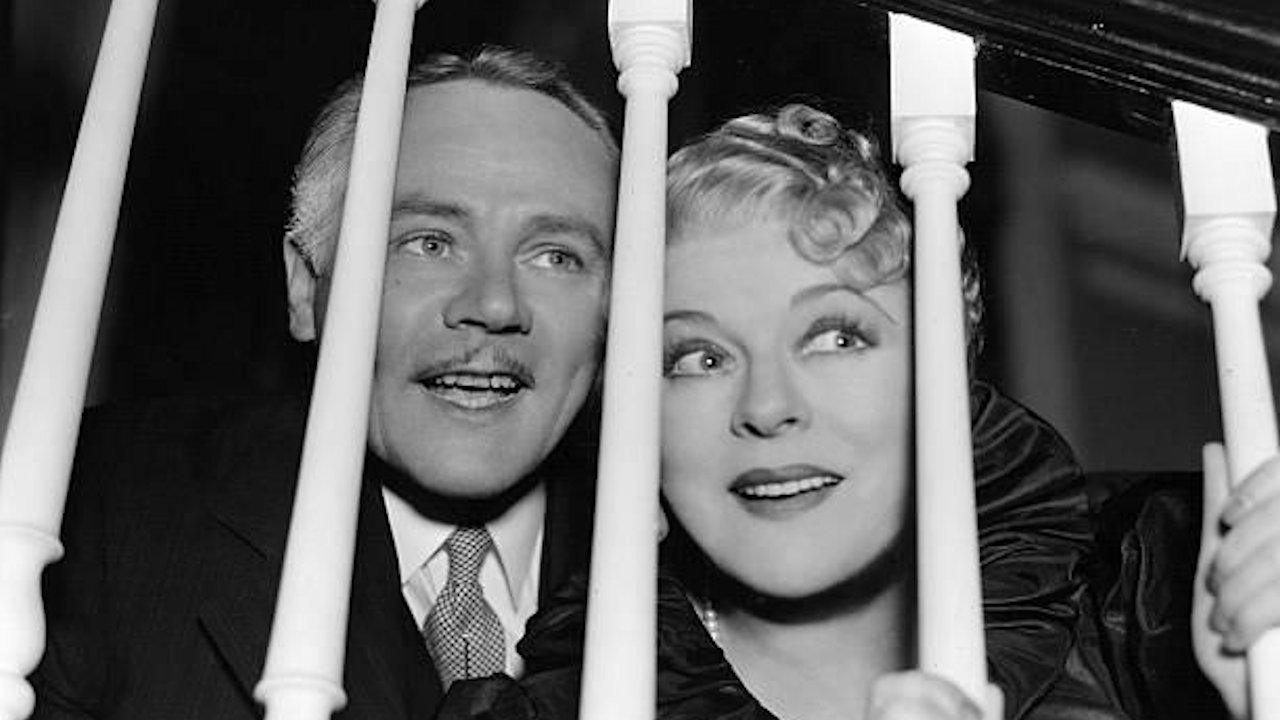
People Will Talk (1935): cast, story & where to watch
1935 · Film · ★ 3

Released in 1935, People Will Talk is a comedy and romance film directed by Alfred Santell, running about 77 minutes. “Papa was the big noise... but mama had the last word!” — that tagline sets the tone.
What it’s about. Henry and Clarice Wilkins have been married twenty-three years and are a model suburban couple who have never had a quarrel. But when their daughter, Peggy, and her husband, Bill Trask, have a squabble, Clarice has a plan to show the daughter just how distasteful domestic bickering appears; She enters into an agreement with Henry that they will fake a fuss to serve as an object lesson. Clarice's will to play the game and her sense of humor play out at about the same time when Henry's remarks become more pointed as the charade goes on. Their fake fight is soon a real barn-burner.
Who’s in it. People Will Talk stars Charles Ruggles as Henry Wilton, Mary Boland as Clarice Wilton, Leila Hyams as Peggy Trask and Dean Jagger as Bill Trask, among others.
How it landed. With an audience score of 3.0/10, People Will Talk has proved divisive with audiences.
Where to watch. Streaming options change often. See the full, country-by-country breakdown on our where to watch People Will Talk page.
If you liked it. Fans of People Will Talk tend to enjoy Forrest Gump, Parasite, Life Is Beautiful and Fight Club.
Frequently asked
- Where can I watch People Will Talk (1935)?
- Streaming, rental and purchase options for People Will Talk change frequently. Check our where-to-watch page for the latest availability in your country.
- Is People Will Talk worth watching?
- People Will Talk holds an audience score of 3.0 out of 10, and is a strong pick if you enjoy comedy and romance. Reactions are mixed, so it may depend on taste.
- Who stars in People Will Talk?
- People Will Talk stars Charles Ruggles, Mary Boland, Leila Hyams, Dean Jagger and Ruthelma Stevens.
- When was People Will Talk released?
- People Will Talk was released in 1935, with a runtime of about 77 minutes.