Das kalte Herz (1950) : distribution, intrigue et streaming
1950 · Film · ★ 5.8
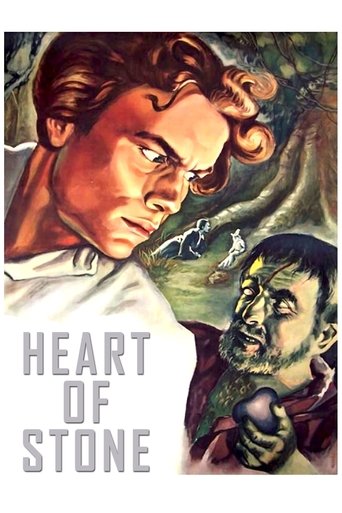
Released in 1950, Das kalte Herz is a fantastique, drame and famille film directed by Paul Verhoeven, running about 101 minutes.
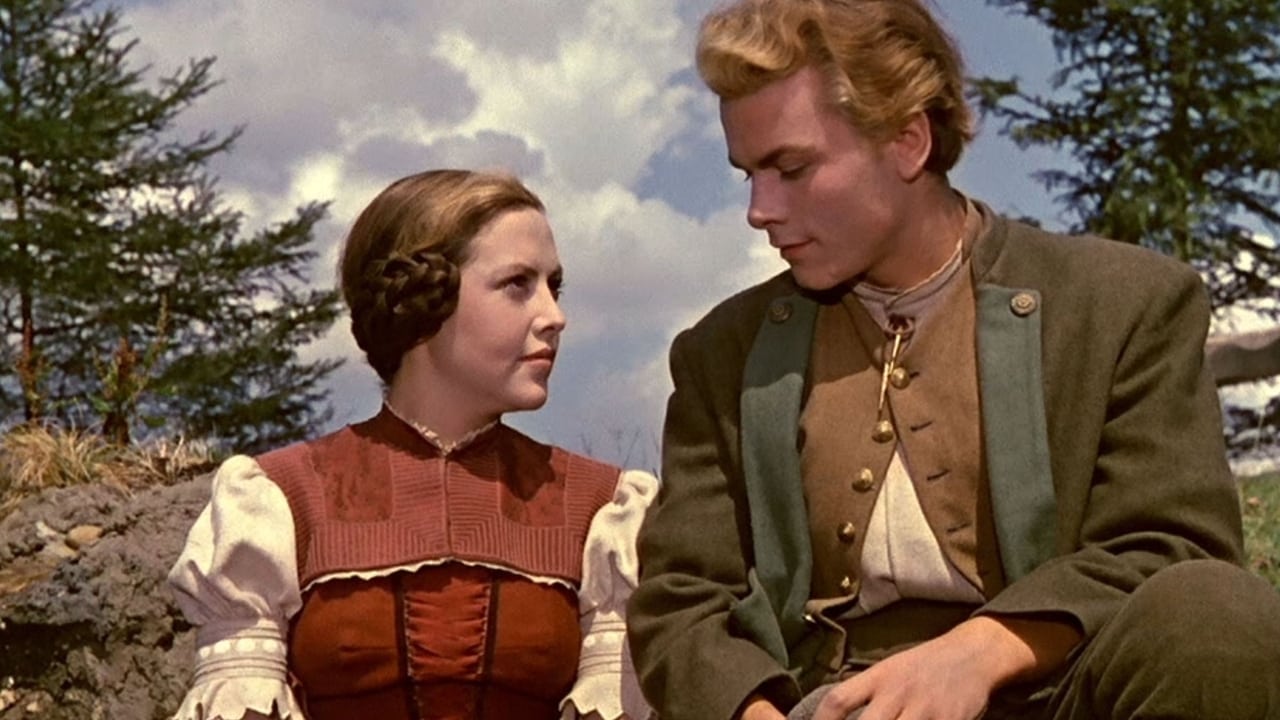
What it’s about. Lavish adaptation of Wilhelm Hauff′s fairy tale: Young charburner Peter Munk dreams of joining the upper class. He makes a deal with the sinister Holländer-Michel, who offers to trade Peter′s human heart for one made of stone. Once he has the "cold heart" in his body, Peter eventually strikes a fortune and enjoys great wealth, but at the same time, he becomes a bitter and emotionless man – and, having lost all traces of humanity, even murders his wife Lisbeth. Only then does Peter Munk finally realize what has become of him, and he decides to regain his real heart from Holländer-Michel.
Who’s in it. Das kalte Herz stars Lutz Moik as Peter Munk, Hanna Rucker as Lisbeth, Paul Esser as Ezechiel and Paul Bildt as Glasmännlein, among others.
How it landed. With an audience score of 5.8/10, Das kalte Herz has drawn a solid, mixed-to-positive response.
Where to watch. In États-Unis you can stream it on Eternal Family. See the full, country-by-country breakdown on our where to watch Das kalte Herz page.
If you liked it. Fans of Das kalte Herz tend to enjoy The Lord of the Rings: The Return of the King, La Ligne verte, Le Voyage de Chihiro and Le Seigneur des anneaux : La Communauté de l'anneau.
Questions fréquentes
- Where can I watch Das kalte Herz (1950)?
- In États-Unis, Das kalte Herz is available to stream on Eternal Family. Availability varies by country — check our where-to-watch page for every region.
- Is Das kalte Herz worth watching?
- Das kalte Herz holds an audience score of 5.8 out of 10, and is a strong pick if you enjoy fantastique, drame and famille. Reactions are mixed, so it may depend on taste.
- Who stars in Das kalte Herz?
- Das kalte Herz stars Lutz Moik, Hanna Rucker, Paul Esser, Paul Bildt and Erwin Geschonneck.
- When was Das kalte Herz released?
- Das kalte Herz was released in 1950, with a runtime of about 101 minutes.