Vers le silence (2018)
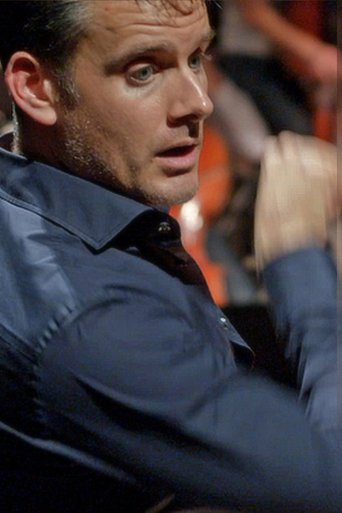
After CLEVELAND VS. WALLSTREET, the director dived into the universe of the Opéra national de Paris to film his documentary about this major centre for musical creation. During this shoot, he met Philippe Jordan, musical director of the Opéra national de Paris. “Filming Philippe Jordan is like a waking dream. He occupies the frame, he bursts from the frame, he is simultaneously totally present in the music, and elsewhere, connected to some invisible forces,” says the filmmaker about the conductor, whom he was able to film close up during rehearsals for Gustav Mahler’s Ninth Symphony. This invisible aspect is what the camera explores in this short film: by focusing on this piece in particular, entirely given over to listening and immerged in the very heart of creation, Jean-Stéphane Bron reveals a fragment of work that we imagine to be titanic, and allows us to see and to hear, in a whole new way, a work whose interpretation is profoundly marked by silence.
Lire le dossier sur Vers le silence →Movie DNA
Frequently asked questions about Vers le silence
What is Vers le silence about?
After CLEVELAND VS. WALLSTREET, the director dived into the universe of the Opéra national de Paris to film his documentary about this major centre for musical creation. During this shoot, he met Philippe Jordan, musical director of the Opéra national de Paris. “Filming Philippe Jordan is like a waking dream. He occupies the frame, he bursts from the frame, he is simultaneously totally present in the music, and elsewhere, connected to some invisible forces,” says the filmmaker about the conductor, whom he was able to film close up during rehearsals for Gustav Mahler’s Ninth Symphony. This invisible aspect is what the camera explores in this short film: by focusing on this piece in particular, entirely given over to listening and immerged in the very heart of creation, Jean-Stéphane Bron reveals a fragment of work that we imagine to be titanic, and allows us to see and to hear, in a whole new way, a work whose interpretation is profoundly marked by silence.