We Would Be Freer (2023)
1 votes
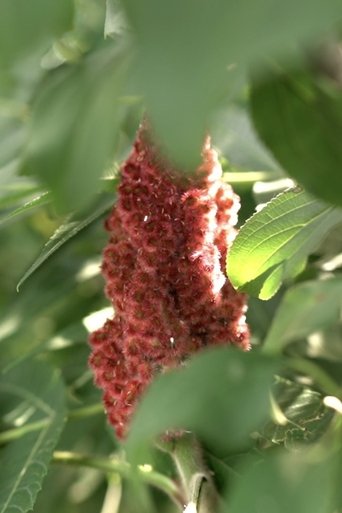
Reflecting on the relationship between native plants and people, the film looks at the sumac plant (from staghorn sumac), which is native to parts of Turtle Island, as well as Tanner’s sumac, native to the eastern Mediterranean, which is a dire medicine, a powdered spice, a dye, and more. The film weaves together the voices of two women, one from the Mohawk community of Kahnawá:ke and the other an internally displaced refugee in Ramallah. Mimicking the progression of the plant’s flowers from yellow to green to red, the short film is a cyclical reflection on the connections between land, sustainability, and wild plants.
Lire le dossier sur We Would Be Freer →Distribution principale
Distribution et équipe complètes →
Movie DNA
Frequently asked questions about We Would Be Freer
What is We Would Be Freer about?
Reflecting on the relationship between native plants and people, the film looks at the sumac plant (from staghorn sumac), which is native to parts of Turtle Island, as well as Tanner’s sumac, native to the eastern Mediterranean, which is a dire medicine, a powdered spice, a dye, and more. The film weaves together the voices of two women, one from the Mohawk community of Kahnawá:ke and the other an internally displaced refugee in Ramallah. Mimicking the progression of the plant’s flowers from yellow to green to red, the short film is a cyclical reflection on the connections between land, sustainability, and wild plants.
How long is We Would Be Freer?
We Would Be Freer has a runtime of 8 minutes.