颐和园 (2010)
3 votes
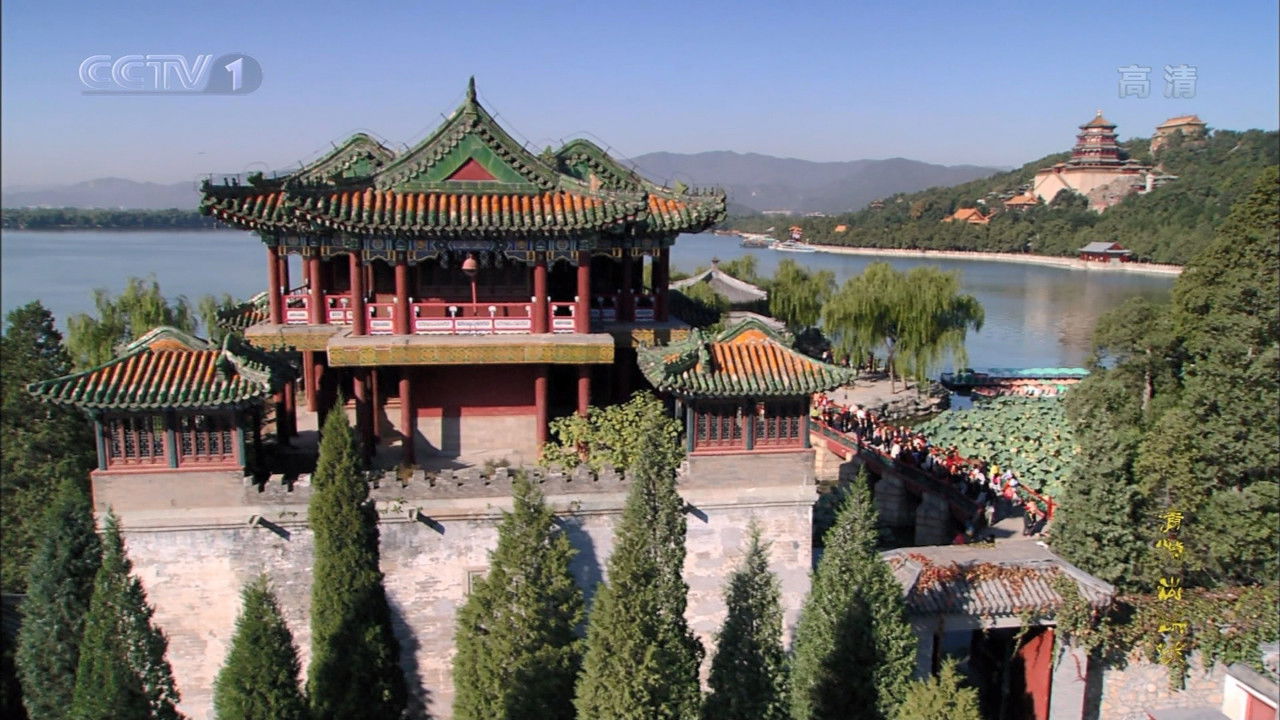
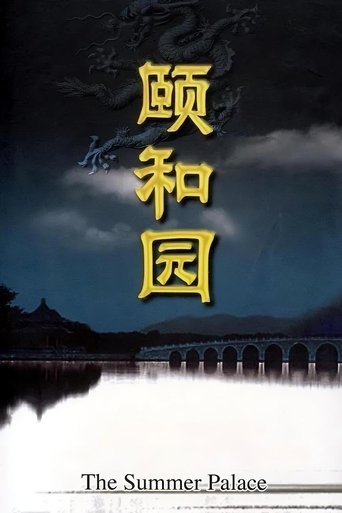
The Imperial Garden of the Qing Dynasty, formerly known as the Qingyi Garden, was built in the Qing Emperor Qianlong period when the national power was strong. It was destroyed by the British and French coalition forces in the second Opium War in 1860. During the reign of Emperor Guangxu, it was renamed the Summer Palace and became the main place where Cixi lived and lived in his later years. The Summer Palace was looted by the Eight-Power Allied Forces in 1900 and was occupied by the Japanese during the Anti-Japanese War. In 1928, the Summer Palace officially became a national park by the Royal Garden. The preservation of the archives and cultural relics in the park today records the history of China's feudal society from its glory to its decline, and it has also witnessed the vicissitudes of several vicissitudes of gardens in New China. The Summer Palace is a collection of Chinese classical garden art. It combines the essence of the north and south gardens and integrates the man-made landscape with nature. It is the last royal garden in China and the most intact and largest ancient garden in China. It is a Chinese garden. The pinnacle of art. In 1998, it was included in the World Cultural Heritage List by UNESCO. The film was produced by CCTV, and the backbone of the creative team was the original team to shoot the 12-episode large-scale documentary "The Forbidden City." The creation of "The Summer Palace" was launched in 2006 and lasted three years. According to Chinese traditional culture, the Forbidden City represents "li", and the Summer Palace represents "le". Now the filming of "The Forbidden City" and "The Summer Palace" is completed, which also represents the combination of "ritual" and "le", completing Chinese classical architecture and culture. a chapter.
Lire le dossier sur 颐和园 →Distribution principale
Distribution et équipe complètes →
Movie DNA
Titres similaires
Plus de Documentaire → Moment
 Moment
 Moment
 Moment
 Moment
 Moment
 Moment
 Moment
 Moment
 Moment
 Moment
 Moment
Frequently asked questions about 颐和园
What is 颐和园 about?
The Imperial Garden of the Qing Dynasty, formerly known as the Qingyi Garden, was built in the Qing Emperor Qianlong period when the national power was strong. It was destroyed by the British and French coalition forces in the second Opium War in 1860. During the reign of Emperor Guangxu, it was renamed the Summer Palace and became the main place where Cixi lived and lived in his later years. The Summer Palace was looted by the Eight-Power Allied Forces in 1900 and was occupied by the Japanese during the Anti-Japanese War. In 1928, the Summer Palace officially became a national park by the Royal Garden. The preservation of the archives and cultural relics in the park today records the history of China's feudal society from its glory to its decline, and it has also witnessed the vicissitudes of several vicissitudes of gardens in New China. The Summer Palace is a collection of Chinese classical garden art. It combines the essence of the north and south gardens and integrates the man-made landscape with nature. It is the last royal garden in China and the most intact and largest ancient garden in China. It is a Chinese garden. The pinnacle of art. In 1998, it was included in the World Cultural Heritage List by UNESCO. The film was produced by CCTV, and the backbone of the creative team was the original team to shoot the 12-episode large-scale documentary "The Forbidden City." The creation of "The Summer Palace" was launched in 2006 and lasted three years. According to Chinese traditional culture, the Forbidden City represents "li", and the Summer Palace represents "le". Now the filming of "The Forbidden City" and "The Summer Palace" is completed, which also represents the combination of "ritual" and "le", completing Chinese classical architecture and culture. a chapter.
How long is 颐和园?
颐和园 has a runtime of 44 minutes.