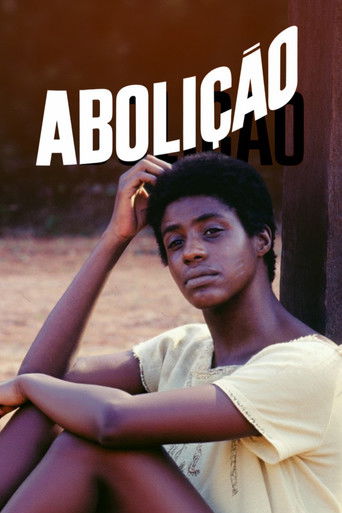
Abolição (1988)
2 votes
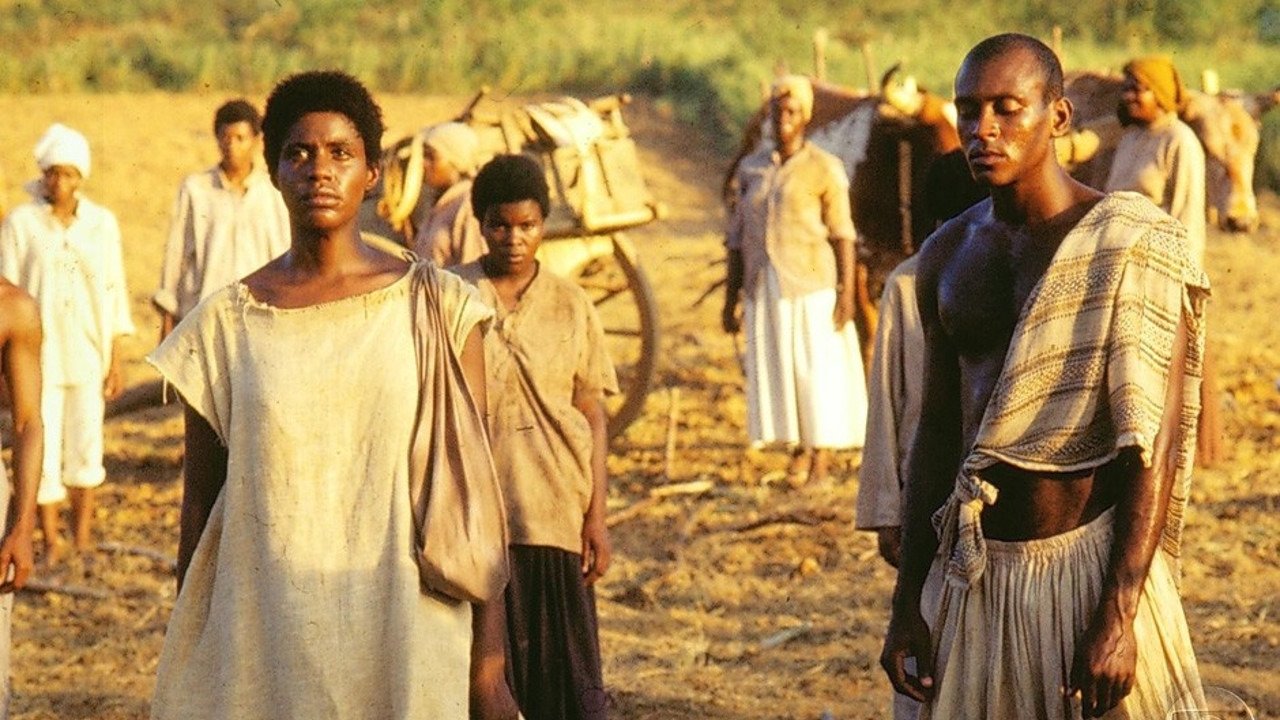
'Abolição' shows how much the liberation of the enslaved transformed the structures of Brazilian society, both in the countryside and in the city, and the changes generated in the lives of black people themselves. The narrative is centered on the period in which the Lei Áurea was about to be signed by Princess Isabel, on May 13, 1888. At that time, the abolitionist theme was widely discussed in urban centers, while in rural areas slavery relations were still established. The enslaved Iná Inerã, spiritual leader and warrior, represents the fight to maintain African identity at any price, paid with her own life, if necessary. Journalist Lucas, in turn, is a freed black man who believes in peaceful integration between whites and blacks.
Lire le dossier sur Abolição →Distribution principale
Distribution et équipe complètes →
 Luiz Antonio PilarLucas Tavares
 Léa GarciaAparecida
 Thiago JustinoOlokini
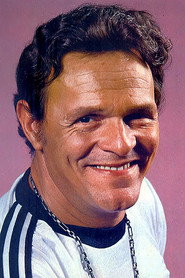 Milton MoraesCoronel Hipólito Macedo Tavares
 Marta OverbeckDona Emília
 Edney GiovenazziPadre Ramos
 Emiliano QueirozOsvaldo
 Mira HaarFlorinda
 Tereza RachelPrincesa Isabel
 Odilon WagnerConde D’Eu
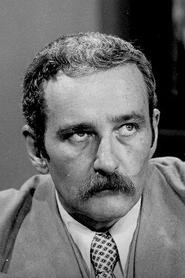 Carlos KroeberDom Pedro II
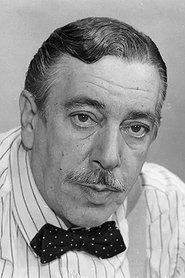 José LewgoyBarão de Cotegipe
Movie DNA
Titres similaires
Plus de Drame → Moment
 Moment
 Moment
 Moment
 Moment
 Moment
 Moment
 Moment
 Moment
 Moment
 Moment
 Moment
Frequently asked questions about Abolição
What is Abolição about?
'Abolição' shows how much the liberation of the enslaved transformed the structures of Brazilian society, both in the countryside and in the city, and the changes generated in the lives of black people themselves. The narrative is centered on the period in which the Lei Áurea was about to be signed by Princess Isabel, on May 13, 1888. At that time, the abolitionist theme was widely discussed in urban centers, while in rural areas slavery relations were still established. The enslaved Iná Inerã, spiritual leader and warrior, represents the fight to maintain African identity at any price, paid with her own life, if necessary. Journalist Lucas, in turn, is a freed black man who believes in peaceful integration between whites and blacks.