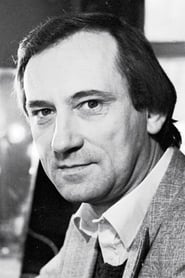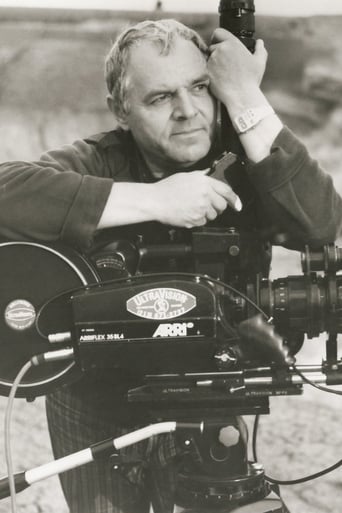
Yuri Ilyenko
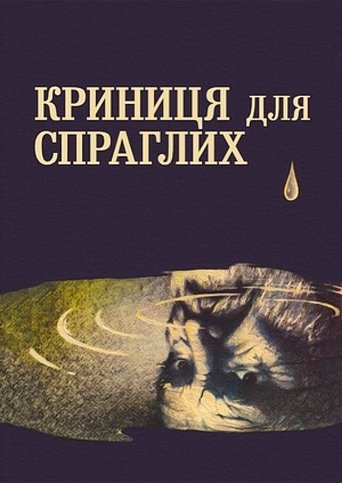
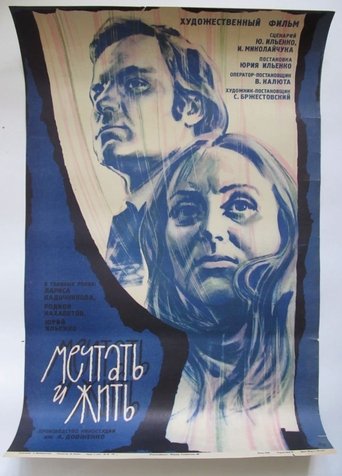
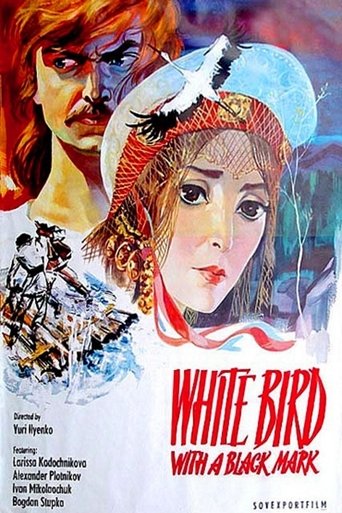
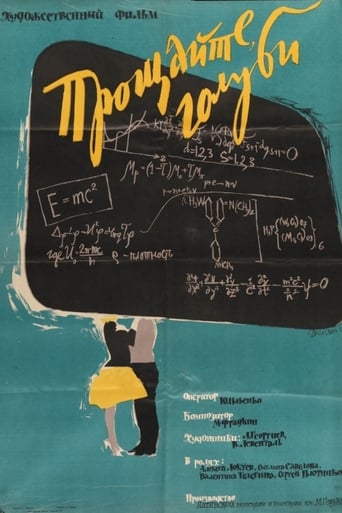
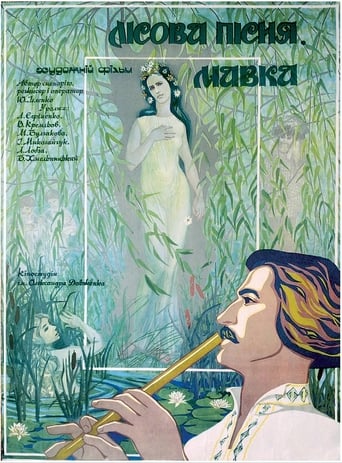
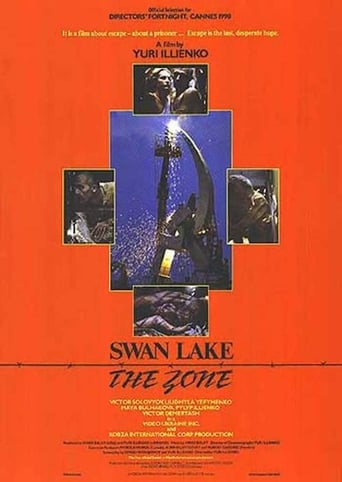
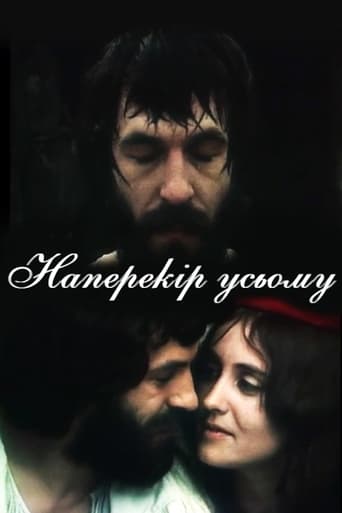
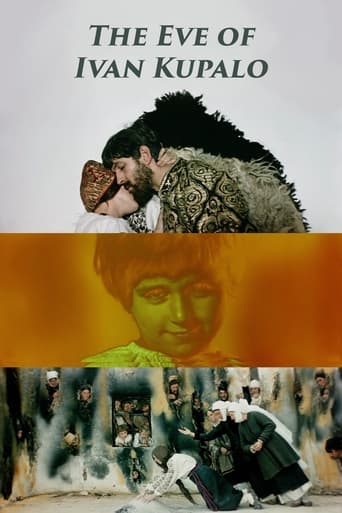
Yuriy Illienko (18 July 1936 – 15 June 2010) was a Soviet film director and screenwriter. He directed twelve films between 1965 and 2002. His 1970 film The White Bird Marked with Black was entered into the 7th Moscow International Film Festival where it won the Golden Prize. Ilyenko was one of Ukraine's most influential filmmakers. His films represented Ukraine and what was happening to it. His films were banned in the USSR for their suspected anti-Soviet symbolism. Only in the recent years have his films been re-released and open to the public. Illienko was born in Cherkasy in 1936 but during World War II he and his family where evacuated to Siberia while his father was in the Red Army.He graduated high school in Moscow and in 1960 Gerasimov Institute of Cinematography in 1960.From 1960 till 1963 he worked as the director of photography at the Yalta Film Studio. In 1963 Illienko became operator and then director at Dovzhenko Film Studios. His 1965 film Spring for the thirsty (scenario by Ivan Drach) and 1968 film Vechir Na Ivan Kupala where both banned by the Soviet authorities till 1988.His 1971 film The White Bird Marked with Black, received the grand prize of the Moscow Film Festival, but at the 24th Congress of the Communist Party of Ukraine the film was (also) banned and branded "the most harmful movie that has ever been made in Ukraine, especially harmful to young people". His next film, To dream and to live (scenario by Ivan Mykolaichuk and himself), was stopped 42 times at various stages of production. Illienko then emigrated to Yugoslavia, where he shot the film To live in spite of everything. The film won "Silver" at Pula Film Festival and the prize for best actor. In the Ukrainian SSR, the picture was not allowed to be shown.His 1983 film Lisova pisnia. Mavka won the FIPRESCI Prize. In 1987 Illienko received the title of People's Artist of Ukraine. His 1990 film "Swan Lake "The Zone"" again won the FIPRESCI Prize. In 1991 and 1992 Illienko was Chairman of the Ukrainian Cinema Foundation. in 1991 he was awarded the Shevchenko National Prize. His 1994 documentary about Serhiy Parajanov received the "Golden Knight" at the film festival Cinema City. In 1996 he became a member of the Academy of Arts of Ukraine. His 2002 film A Prayer for Hetman Mazepa was banned from rental in Russia. In the 2007 parliamentary elections Illienko was placed second on the election list of All-Ukrainian Union "Svoboda", but at that election the party received 0.76% of the votes cast and did not make it to parliament. Illienko died on 15 June 2010 at the age of 74, after a long illness, of cancer.
Known for
 Viewing moment
 Viewing moment
 Viewing moment
 Viewing moment
 Viewing moment
 Viewing moment
 Viewing moment
 Viewing moment
 Viewing moment
 Viewing moment
 Viewing moment
 Viewing moment
 Viewing moment
 Viewing moment
 Viewing moment
 Viewing moment
 Viewing moment