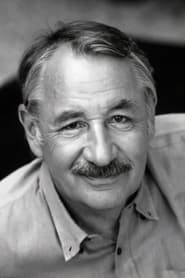
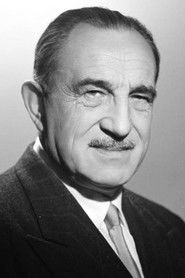
Andrei Platonov
Andrei Platonovich Klimentov, known by his pen name Andrei Platonov (1899–1951) was a Soviet Russian writer, philosopher, playwright and poet. Although Platonov regarded himself as a communist, his principal works remained unpublished in his lifetime because of their skeptical attitude toward collectivization of agriculture (1929–1940) and other Stalinist policies, as well as for their experimental, avant-garde form. His famous works include the novels Chevengur (1928) and The Foundation Pit (1930). Platonov's writing has strong ties to the works of earlier Russian authors like Fyodor Dostoevsky. Christian symbolism is prevalent in his works, as well as a prominent and discernible influence from a wide range of contemporary and ancient philosophers, most importantly Nikolai Fedorov. Platonov's influence on later Russian writers is considerable. Some of his work was published or republished during the 1960s' Khrushchev Thaw, and during the 1970s and 1980s. Because of his political writings, perceived anti-totalitarian stance, Joseph Brodsky called him the world's strangest writer.
Known for
 Viewing moment
 Viewing moment
 Viewing moment
 Viewing moment
 Viewing moment
 Viewing moment
 Viewing moment
 Viewing moment