Gluck: Orfeo ed Euridice (2009)
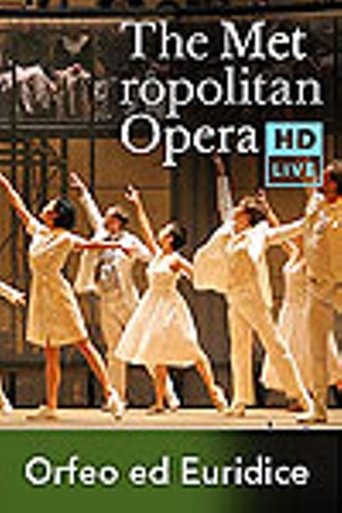
Director and choreographer Mark Morris’s production of Gluck’s masterpiece updates the immortal story from its ancient Greek roots to the timeless present, where, he says, “the union of chorus and dancers feels inevitable and inseparable.” With costumes by Isaac Mizrahi and a set designed by Allen Moyer, this production surrounds the action with the superb Met chorus dressed as a crowd of historic characters who bear witness to the transformative power of love. Orfeo (Stephanie Blythe) is so consumed with grief at the death of his beloved Euridice (Danielle de Niese) that the gods (Heidi Grant Murphy as Amor) allow him to lead her back from the underworld—if he will not look at her on the way. Of course he can’t resist looking, but the gods are truly merciful.
Read the Gluck: Orfeo ed Euridice feature →Media
Top billed cast
Full cast & crew →
 Stephanie BlytheOrfeo
 Danielle de NieseEuridiceHeidi Grant MurphyAmor
 Joyce DiDonatoSelf - Host
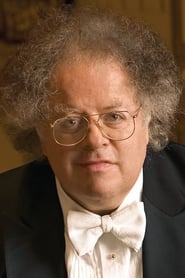 James LevineSelf - ConductorMET Orchestra
Movie DNA
Frequently asked questions about Gluck: Orfeo ed Euridice
What is Gluck: Orfeo ed Euridice about?
Director and choreographer Mark Morris’s production of Gluck’s masterpiece updates the immortal story from its ancient Greek roots to the timeless present, where, he says, “the union of chorus and dancers feels inevitable and inseparable.” With costumes by Isaac Mizrahi and a set designed by Allen Moyer, this production surrounds the action with the superb Met chorus dressed as a crowd of historic characters who bear witness to the transformative power of love. Orfeo (Stephanie Blythe) is so consumed with grief at the death of his beloved Euridice (Danielle de Niese) that the gods (Heidi Grant Murphy as Amor) allow him to lead her back from the underworld—if he will not look at her on the way. Of course he can’t resist looking, but the gods are truly merciful.
How long is Gluck: Orfeo ed Euridice?
Gluck: Orfeo ed Euridice has a runtime of 99 minutes.