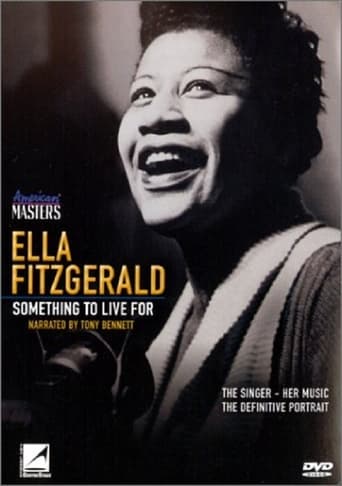
Ella Fitzgerald: Something to Live For (2000)
1 votes
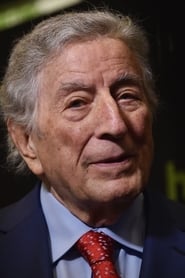
Writer-director Charlotte Zwerin performs sleight of hand with this beautifully composed documentary, originally produced for public television's American Masters series. Created nearly four years after Ella Fitzgerald's death, Zwerin's film uses the lush voice and superb repertoire of "the First Lady of Song" to provide continuity while assembling convincing, if composite, narrative quotes gleaned from various interviews. The latter are noteworthy given the singer's lifelong modesty and insistence on privacy. Archival footage of early performances, as well as later television appearances, capture Ella's pilgrimage from Depression-era New York, through her discovery at the Apollo Theater and subsequent emergence as a swing vocalist and on to her long career as a matchless pop and jazz stylist. Tony Bennett is a sympathetic narrator, while added affection and insight are provided through
Read the Ella Fitzgerald: Something to Live For feature →Top billed cast
Full cast & crew →
Movie DNA
Frequently asked questions about Ella Fitzgerald: Something to Live For
What is Ella Fitzgerald: Something to Live For about?
Writer-director Charlotte Zwerin performs sleight of hand with this beautifully composed documentary, originally produced for public television's American Masters series. Created nearly four years after Ella Fitzgerald's death, Zwerin's film uses the lush voice and superb repertoire of "the First Lady of Song" to provide continuity while assembling convincing, if composite, narrative quotes gleaned from various interviews. The latter are noteworthy given the singer's lifelong modesty and insistence on privacy. Archival footage of early performances, as well as later television appearances, capture Ella's pilgrimage from Depression-era New York, through her discovery at the Apollo Theater and subsequent emergence as a swing vocalist and on to her long career as a matchless pop and jazz stylist. Tony Bennett is a sympathetic narrator, while added affection and insight are provided through