Tell me on Tuesday (2007)
Original title: Sag es mir Dienstag
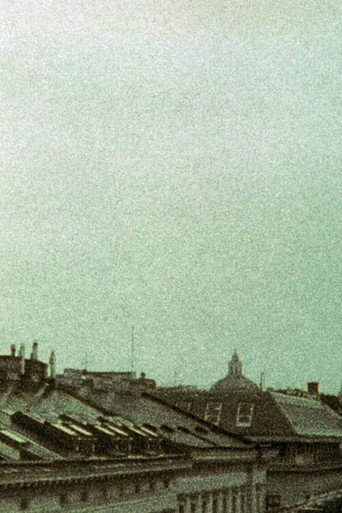
'Tell me on Tuesday', wrote Franz Kafka in a letter to Milena Jesenská. He planned to visit her on Tuesday, stopping in Vienna on the way to Prague. 'It would be most sensible to tell you today where I would like to wait for you, but I would suffocate till we met... Is there in the world, Milena, as much patience as is necessary for me? Tell me on Tuesday.' Kafka's longing to see Milena again, before he was able to spend four days with her in Vienna, was marked by delay, and a transition to written form in letters and diary entries. A trembling before and a drained after frame those days in July, 1920, the particulars of which remain a blank. Astrid Ofner matched Kafka's love letters to Milena with fragile images that permit the existence of that blank space, making it visible rather than filling it in.
Read the Tell me on Tuesday feature →Movie DNA
Frequently asked questions about Tell me on Tuesday
What is Tell me on Tuesday about?
'Tell me on Tuesday', wrote Franz Kafka in a letter to Milena Jesenská. He planned to visit her on Tuesday, stopping in Vienna on the way to Prague. 'It would be most sensible to tell you today where I would like to wait for you, but I would suffocate till we met... Is there in the world, Milena, as much patience as is necessary for me? Tell me on Tuesday.' Kafka's longing to see Milena again, before he was able to spend four days with her in Vienna, was marked by delay, and a transition to written form in letters and diary entries. A trembling before and a drained after frame those days in July, 1920, the particulars of which remain a blank. Astrid Ofner matched Kafka's love letters to Milena with fragile images that permit the existence of that blank space, making it visible rather than filling it in.