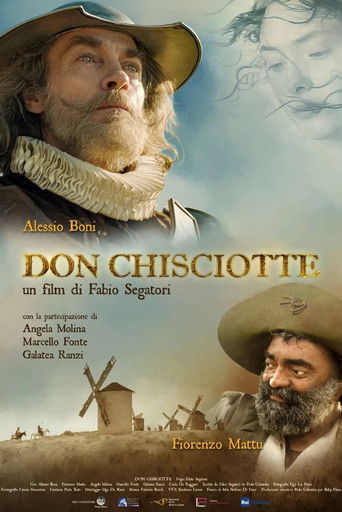
Don Chisciotte (2026)
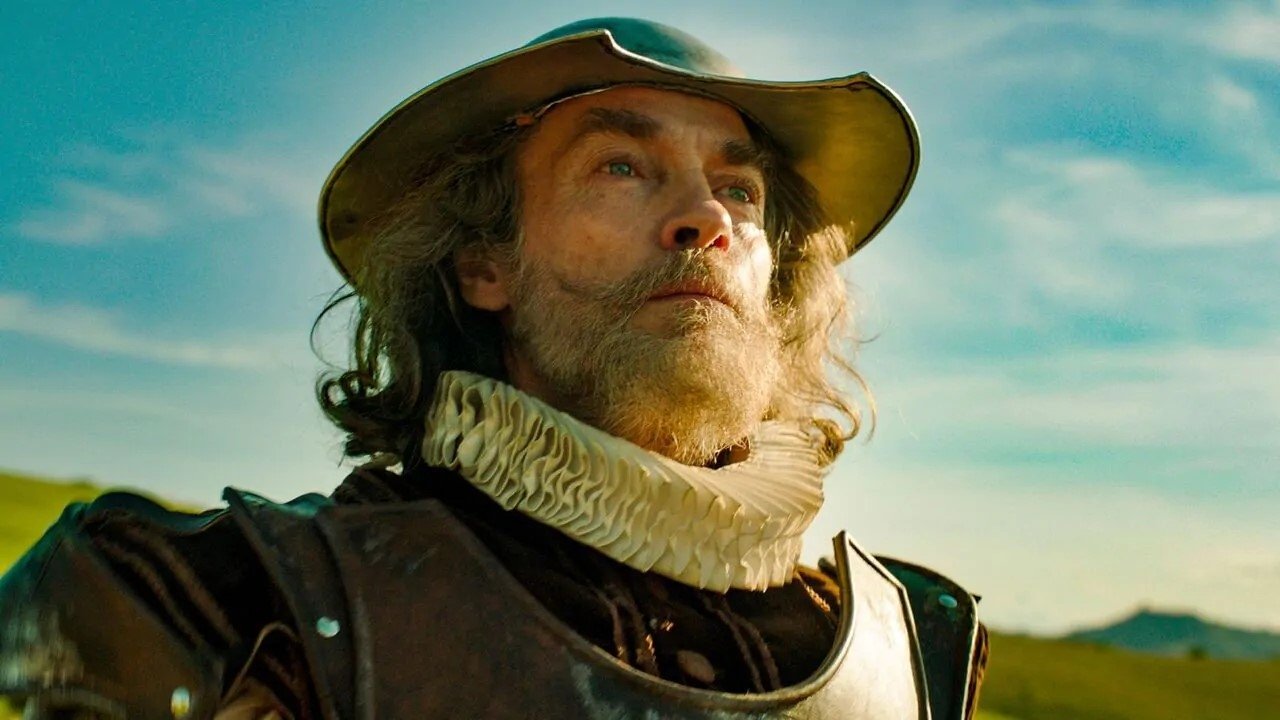
Wounded at the Battle of Lepanto and recoverying in a Messina hospital, Miguel de Cervantes experiences a vision amidst fever and hallucinations. From the flames of burning books, Don Alonso Quijano is born—a man driven mad by tales of chivalry who transforms into the knight-errant Don Quixote. Accompanied by the simple Sancho Panza, lured by the promise of an island to rule, Quixote embarks on a quest where inns become castles and windmills turn into giants. Despite the cruel mockery of bored nobles and a series of crushing defeats, his madness reveals a disarming purity: he fights solely for justice and freedom, even as the world laughs. Betrayed and humiliated, he is eventually brought home in a cage, unable to survive without his ideals. As he dies, the scene shifts back to the Sicilian night: from the pain of war, Cervantes has forged a masterpiece—the stubborn dream of a more liberated humanity.
Read the Don Chisciotte feature →Top billed cast
Full cast & crew →
 Alessio BoniDon Chisciotte
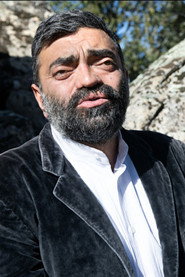 Fiorenzo Mattu
 Marcello Fonte
 Ángela Molina
 Galatea RanziGabriella Bagnasco
 Carlo Luca De Ruggieri
 Giovanni Capalbo
 Giacomo FaddaMichele Ferrara
 Pino Torcasio
Movie DNA
More like this
More Drama → Viewing moment
 Viewing moment
 Viewing moment
 Viewing moment
 Viewing moment
 Viewing moment
 Viewing moment
 Viewing moment
 Viewing moment
 Viewing moment
 Viewing moment
 Viewing moment
Frequently asked questions about Don Chisciotte
What is Don Chisciotte about?
Wounded at the Battle of Lepanto and recoverying in a Messina hospital, Miguel de Cervantes experiences a vision amidst fever and hallucinations. From the flames of burning books, Don Alonso Quijano is born—a man driven mad by tales of chivalry who transforms into the knight-errant Don Quixote. Accompanied by the simple Sancho Panza, lured by the promise of an island to rule, Quixote embarks on a quest where inns become castles and windmills turn into giants. Despite the cruel mockery of bored nobles and a series of crushing defeats, his madness reveals a disarming purity: he fights solely for justice and freedom, even as the world laughs. Betrayed and humiliated, he is eventually brought home in a cage, unable to survive without his ideals. As he dies, the scene shifts back to the Sicilian night: from the pain of war, Cervantes has forged a masterpiece—the stubborn dream of a more liberated humanity.