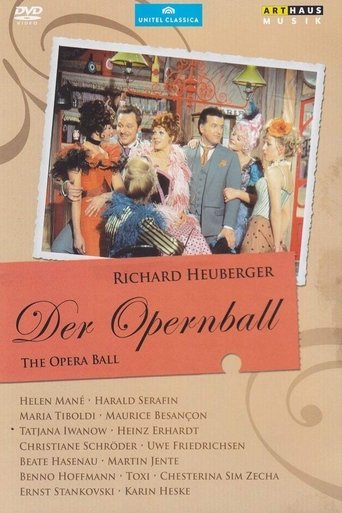
Der Opernball (2012)
Özgün adı: Heuberger: Der Opernball
Richard Heuberger (18501914) came from a wealthy, art-loving Graz (Austria-Hungary) family. Shortly before the turn of the century, he tried his luck with operettas. Only his first work, the delicately orchestrated, splendidly hued Opernball (Opera Ball ) of 1898 a beautiful and substantial echo of the Strauss era has managed to maintain its position in the repertoire. In this work, Heuberger tried to create a new operetta style, the comedy operetta. He eschewed spectacular costumes and choruses, sentimentality and drama by picking up where Offenbach had left off in La vie parisienne and Strauss in Die Fledermaus. According to the great Viennese music critic Eduard Hanslick, he succeeded in preserving the purity of the Viennese operetta. The Opernball was a popular, witty piece and Heuberger accordingly avoided the effects of grand opera, both noisy passion and watered-down sentimentality.
Der Opernball özel yazısını oku →Başrol oyuncuları
Tüm kadro ve ekip →
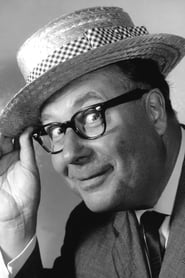 Heinz ErhardtCésare Beaubuisson
 Tatjana Iwanow
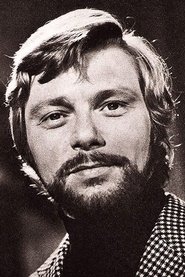 Uwe FriedrichsenHenri
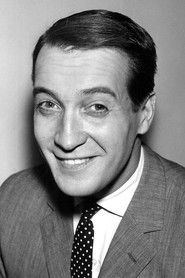 Ernst StankovskiToulouse-Lautrec
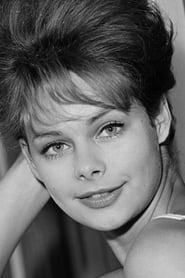 Karin HeskeToulouse-Lautrec's Modell
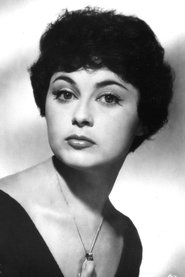 Elma Karlowa
Movie DNA
Der Opernball hakkında sık sorulanlar
Der Opernball ne hakkında?
Richard Heuberger (18501914) came from a wealthy, art-loving Graz (Austria-Hungary) family. Shortly before the turn of the century, he tried his luck with operettas. Only his first work, the delicately orchestrated, splendidly hued Opernball (Opera Ball ) of 1898 a beautiful and substantial echo of the Strauss era has managed to maintain its position in the repertoire. In this work, Heuberger tried to create a new operetta style, the comedy operetta. He eschewed spectacular costumes and choruses, sentimentality and drama by picking up where Offenbach had left off in La vie parisienne and Strauss in Die Fledermaus. According to the great Viennese music critic Eduard Hanslick, he succeeded in preserving the purity of the Viennese operetta. The Opernball was a popular, witty piece and Heuberger accordingly avoided the effects of grand opera, both noisy passion and watered-down sentimentality.